
 EN
EN
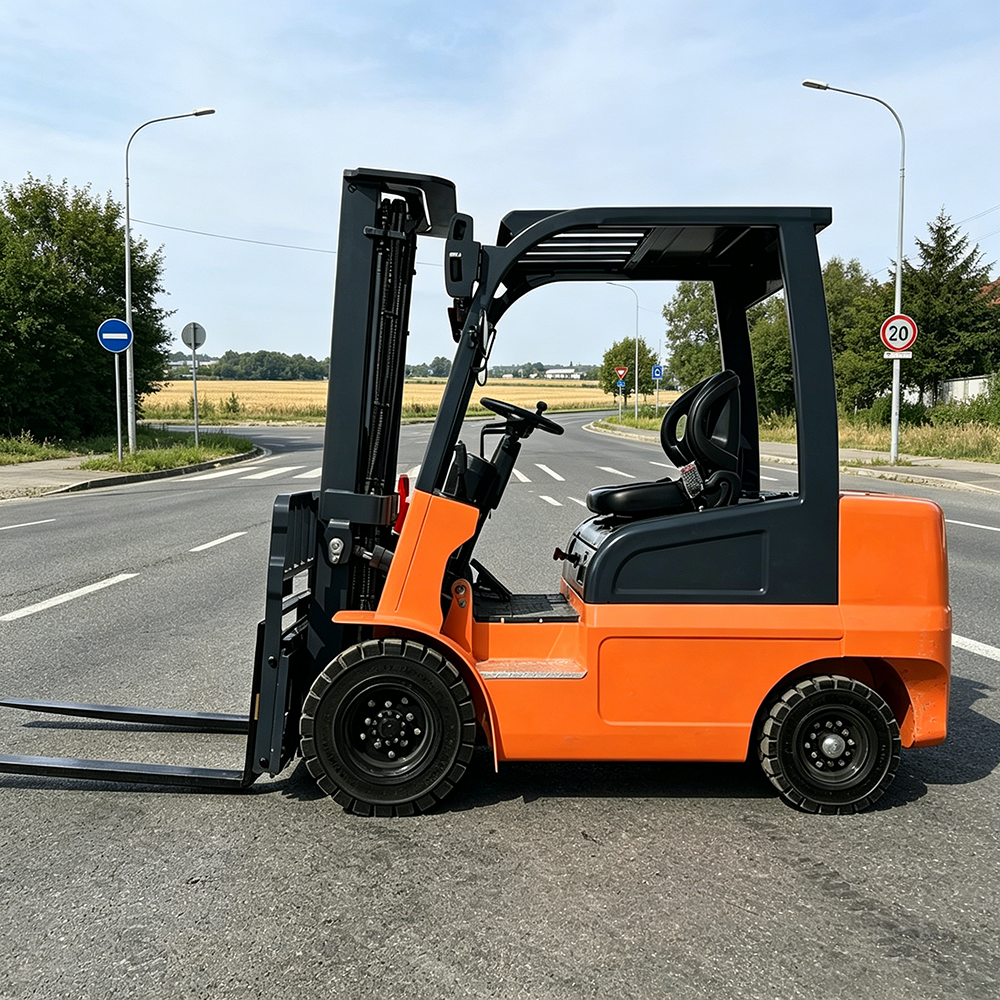
An electric forklift 2 ton represents one of the most strategic equipment investments for modern warehouses seeking to optimize operational expense management. Unlike traditional internal combustion models, an electric forklift 2 ton delivers measurable daily cost reductions through eliminated fuel consumption, dramatically lower maintenance requirements, and extended operational lifespan. Warehouse managers and logistics directors across the industrial sector have discovered that switching to an electric forklift 2 ton directly impacts their bottom line by reducing daily operating expenses by 30 to 50 percent compared to traditional alternatives.
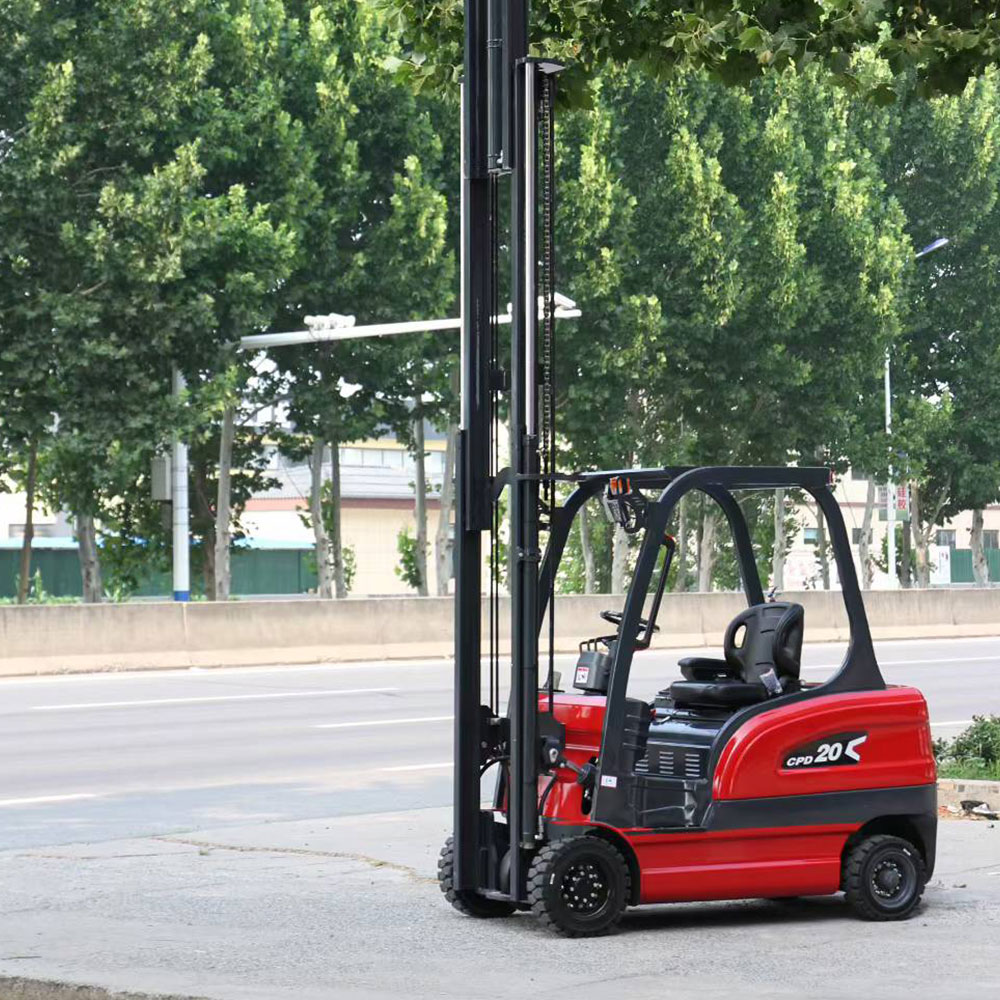
The financial advantage of an electric forklift 2 ton extends beyond simple fuel cost elimination. Daily operating reductions stem from multiple compounding factors including zero petroleum fuel requirements, reduced brake wear, minimized engine maintenance, predictable battery charging expenses, and longer equipment life cycles. Warehouse operations that process hundreds of material handling cycles per day experience cumulative savings that make an electric forklift 2 ton a fundamentally different economic proposition than gasoline or propane-powered equipment of equivalent capacity.
Fuel Cost Elimination and Energy Efficiency
Zero Fuel Consumption Advantage
An electric forklift 2 ton operates entirely on rechargeable battery power, eliminating the daily expense of purchasing gasoline or propane fuel. Facilities operating multiple units discover that fuel cost savings alone can total hundreds of dollars per week. The electric forklift 2 ton requires only access to standard electrical charging infrastructure, transforming fuel expenses into predictable electricity costs that represent approximately 70 percent less expense than traditional fuel purchases for equivalent operation hours.
Battery Charging Economics and Efficiency Gains
Daily electricity costs for charging an electric forklift 2 ton battery typically range from 2 to 4 dollars per eight-hour shift, compared to 15 to 25 dollars daily for gasoline or propane equivalents. Modern lithium or lead-acid battery systems in an electric forklift 2 ton deliver consistent power output throughout charge cycles, whereas traditional fuel engines experience performance degradation as fuel tanks deplete. Overnight charging procedures for an electric forklift 2 ton require minimal operator intervention, and opportunity charging between shifts extends equipment availability without requiring dedicated battery swap infrastructure common in older industrial models.
Maintenance Cost Reduction and Equipment Longevity
Simplified Mechanical Systems
An electric forklift 2 ton contains dramatically fewer mechanical components than comparable internal combustion models, directly reducing daily maintenance labor and replacement parts expenses. Traditional forklifts require routine oil changes, spark plug replacements, filter maintenance, and engine tune-ups that accumulate to significant scheduled downtime and technician costs. An electric forklift 2 ton eliminates these recurring maintenance tasks entirely, with maintenance needs limited to battery health monitoring, tire replacement, and hydraulic fluid checks that occur at intervals measured in months rather than weeks.
Extended Equipment Life and Residual Value
The simpler operational design of an electric forklift 2 ton means components experience less stress and degradation compared to explosion-driven piston engines. Daily wear-and-tear on an electric forklift 2 ton focuses on battery cycling rather than high-temperature combustion cycles, resulting in equipment life spans typically extending 40 to 60 percent longer than conventional forklifts. Warehouses report that after five years of operation, an electric forklift 2 ton retains 45 to 60 percent of original purchase value, compared to 25 to 35 percent for gasoline models of equivalent capacity, substantially improving return on investment calculations.
Workplace Safety and Environmental Operating Benefits
Zero Emissions and Air Quality Improvement
An electric forklift 2 ton produces no exhaust emissions during operation, creating measurable improvements in warehouse air quality and worker respiratory health. Facilities operating multiple units discover that eliminating engine exhaust reduces ventilation system demands and associated energy expenses. The absence of carbon monoxide and particulate matter from an electric forklift 2 ton means indoor facilities no longer require expensive ventilation upgrades or outdoor-only equipment operations, directly reducing infrastructure modification costs and expanding operational flexibility for climate-controlled warehouse environments.
Operational Efficiency and Productivity Gains
An electric forklift 2 ton delivers consistent torque and acceleration characteristics throughout daily operating cycles, eliminating the engine warm-up periods and performance inconsistencies of combustion-powered equipment. Operators experience improved maneuverability and precise load control with an electric forklift 2 ton, reducing unintended load shifts and product damage that generates replacement costs. The quiet operation of an electric forklift 2 ton enables simultaneous material handling operations that would be impossible with fuel-powered alternatives, effectively increasing daily throughput without purchasing additional equipment capacity.
Implementation and Total Cost Analysis
Capital Investment and Incentive Programs
While initial purchase cost for an electric forklift 2 ton typically exceeds equivalent gasoline models by 15 to 30 percent, daily operating cost reductions recover this investment premium within 24 to 36 months of typical warehouse operation. Manufacturers and government incentive programs frequently offer tax credits, rebates, or lease financing that reduce effective capital requirements for transitioning to an electric forklift 2 ton. Facilities planning capacity additions discover that purchasing an electric forklift 2 ton qualifies for sustainability certifications and operational cost metrics that improve overall profitability and environmental compliance standing.
Integration with Warehouse Management Systems
Modern electric forklift 2 ton models integrate with fleet management software that tracks daily operating hours, battery health metrics, and maintenance requirements with precision impossible with older equipment. Detailed usage data from an electric forklift 2 ton enables warehouse managers to optimize shift scheduling, predict maintenance needs before equipment failure, and calculate actual daily operating costs with accuracy that informs equipment investment decisions. Integration capabilities of contemporary electric forklift 2 ton systems mean facilities gain operational visibility and cost control advantages that extend beyond simple daily savings calculations to encompassing strategic fleet management improvements.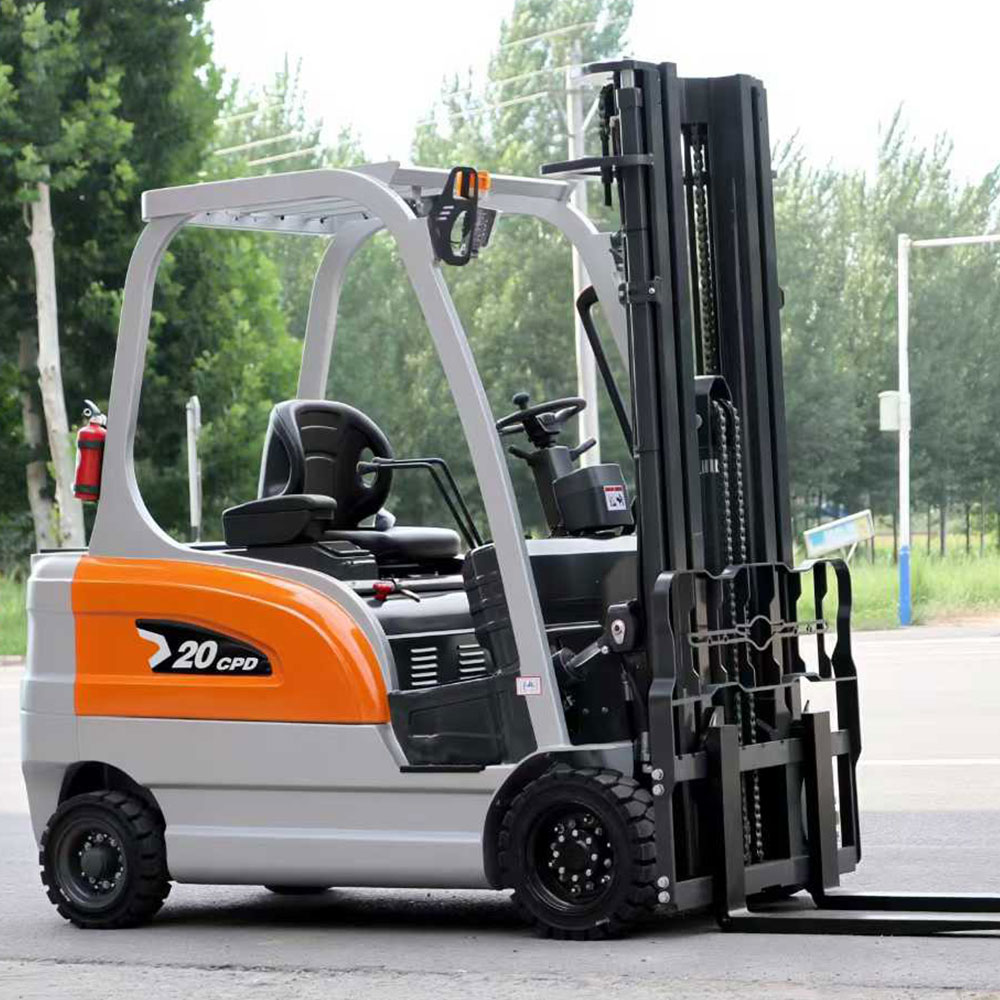
FAQ
What specific daily cost savings can a warehouse expect from an electric forklift 2 ton?
Daily operating cost reductions from an electric forklift 2 ton typically range from 8 to 15 dollars per eight-hour shift when calculating fuel and maintenance savings against equivalent gasoline models. For facilities operating five or more units, cumulative daily savings frequently exceed 50 to 75 dollars, equating to annual reductions of 13,000 to 19,500 dollars in direct operating expenses. Actual savings depend on local electricity rates, fuel costs, usage intensity, and maintenance labor rates specific to each facility's operational context.
How does battery charging affect the daily operating schedule of an electric forklift 2 ton?
An electric forklift 2 ton typically requires 8 to 10 hours for full battery charge, making overnight charging the standard practice in most warehouses. Many facilities employ opportunity charging strategies where an electric forklift 2 ton receives partial charges during meal breaks and shift changes, extending daily operational availability without requiring battery swap systems. Modern fast-charging technology enables some electric forklift 2 ton models to achieve 80 percent charge in 2 to 3 hours, accommodating facilities with tight operational schedules or multiple shift requirements.
What is the typical lifespan and maintenance requirement of an electric forklift 2 ton battery?
Quality batteries in an electric forklift 2 ton typically deliver 1,500 to 2,000 charge cycles before capacity degradation requires replacement, translating to 4 to 6 years of daily operation in typical warehouse environments. Maintenance requirements for an electric forklift 2 ton battery primarily involve keeping terminals clean and monitoring charge patterns, with no routine fluid changes or complex servicing procedures required. Replacement battery costs represent a predictable expense occurring once per 5 to 7 year equipment lifecycle, significantly lower than cumulative maintenance expenses for equivalent combustion-powered equipment operating during identical timeframes.