
 EN
EN
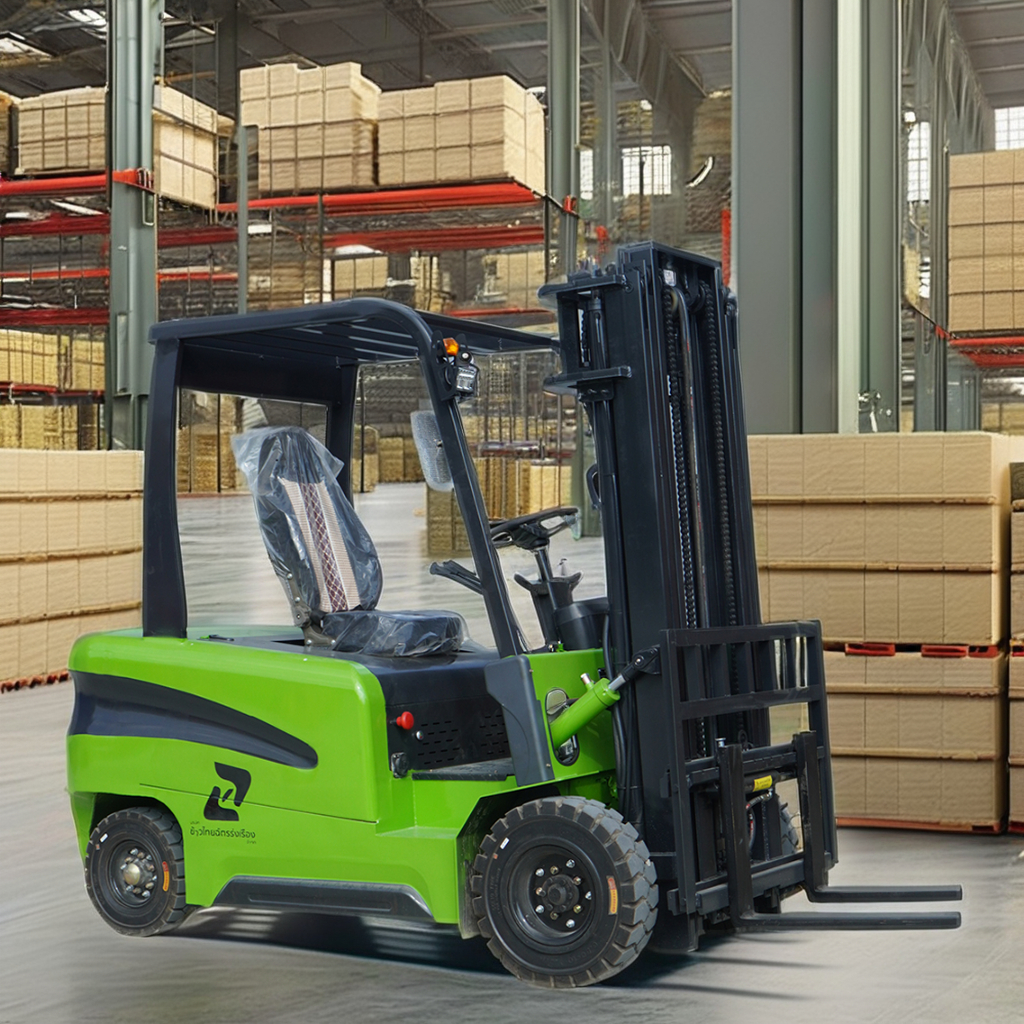
Understanding what factors determine the electric forklift price is essential for any warehouse or logistics operation planning equipment investments. The cost of an electric forklift varies significantly based on multiple technical, operational, and market-driven elements that directly impact your budget allocation and return on investment timeline. Whether you're evaluating a compact two-ton model or a heavy-duty industrial unit, comprehending the pricing structure helps you make informed purchasing decisions that align with your operational needs and financial constraints.
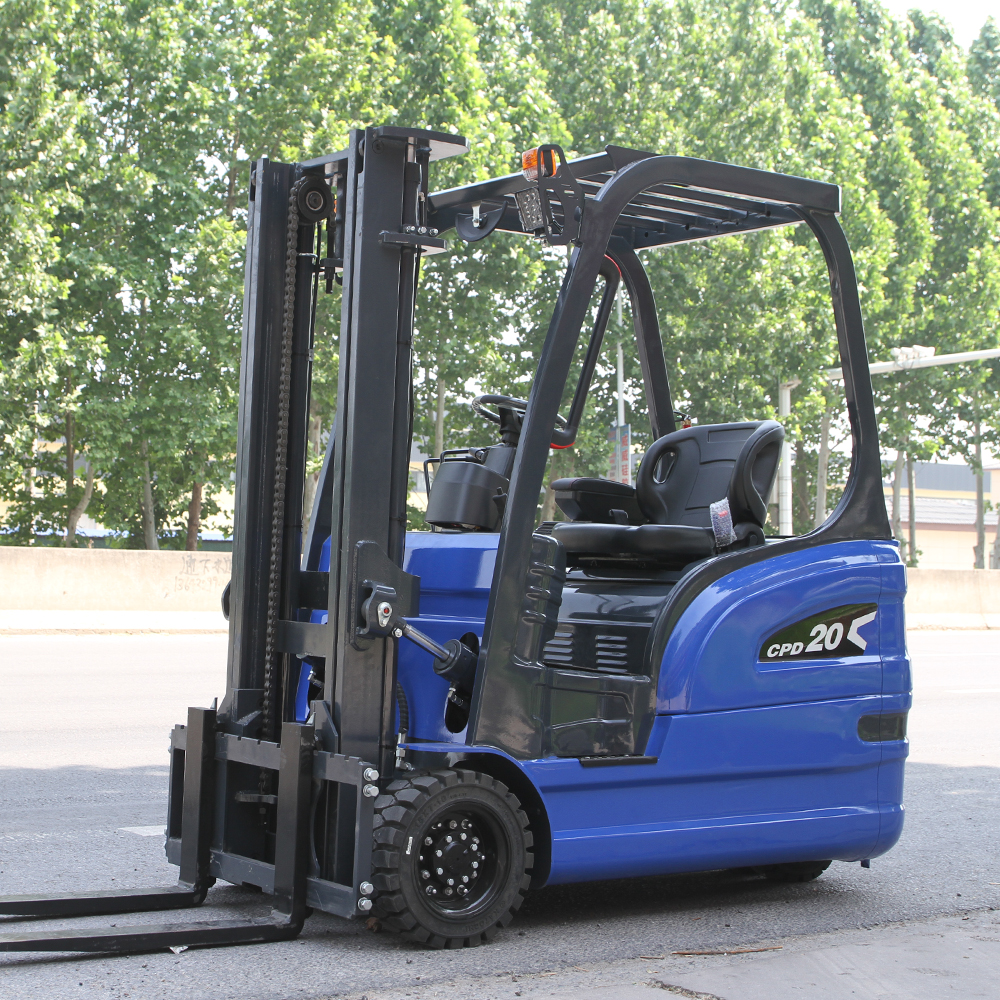
The electric forklift price you encounter in the marketplace reflects intricate calculations involving capacity specifications, battery technology, manufacturer reputation, feature complexity, and current demand patterns. Different suppliers price their models based on proprietary engineering standards, regional market conditions, and the specific value propositions they deliver to industrial customers. By examining each pricing factor systematically, you'll develop the expertise to negotiate better terms, select the right equipment category, and forecast total cost of ownership across your equipment lifecycle.
Lifting Capacity and Load Requirements
Impact of Tonnage on Electric Forklift Price
Lifting capacity represents one of the most fundamental pricing drivers affecting electric forklift price across all market segments. A two-ton electric forklift price will differ substantially from a five-ton or eight-ton model due to the structural reinforcement, motor power, and hydraulic system complexity required to safely handle heavier loads. Manufacturers must engineer stronger masts, deeper counterweights, and more robust frame construction as capacity increases, directly translating into higher material costs and manufacturing expenses that get reflected in the final electric forklift price consumers pay.
The relationship between capacity and electric forklift price isn't linear because each capacity tier involves different engineering standards and safety certifications. A three-ton electric forklift price might be 15-20% higher than a two-ton model, but an eight-ton electric forklift price could be 50-80% higher than a three-ton equivalent. This non-linear scaling occurs because heavier-duty models require premium materials, enhanced electrical systems, and advanced load-sensing technologies that increase costs disproportionately to the additional tonnage being handled.
Specialized Lifting Attachments and Applications
When specialized attachments like side shifters, load stabilizers, or rotators are integrated into an electric forklift, the electric forklift price increases accordingly due to engineering customization and component sourcing. A standard electric forklift price baseline establishes the pricing foundation, but attachments that expand operational flexibility can add 8-15% to the total cost depending on sophistication and integration complexity. These additions affect not only the initial electric forklift price but also maintenance costs and spare parts availability throughout the equipment's operational life, making it important to evaluate long-term total cost impact beyond the sticker price.
Battery Technology and Power Systems
Battery Type and Capacity Influence on Electric Forklift Price
Battery technology represents a critical expense category that significantly influences the overall electric forklift price structure in the market today. Lead-acid batteries typically result in a lower electric forklift price compared to lithium-ion alternatives, but lithium technology offers faster charging cycles, longer operational duration, and reduced maintenance overhead that can justify premium pricing over the equipment's lifespan. The decision between battery chemistries directly impacts not just the initial electric forklift price you pay but the operational efficiency metrics and total cost of ownership calculations across five to ten years of warehouse service.
The capacity of the battery system measured in kilowatt-hours directly correlates to electric forklift price and determines how long the forklift can operate between charging cycles. Higher-capacity batteries enabling full-shift operation without mid-shift recharging command a higher electric forklift price than smaller batteries requiring multiple daily charges. Fleet operators must balance the upfront cost increase against reduced downtime, improved productivity, and the avoided expense of purchasing additional forklifts needed when battery limitations force extended break periods during peak warehouse operations.
Charging Infrastructure and Electrical Requirements
The charging infrastructure specifications associated with a particular electric forklift price model influence total system implementation cost beyond just the equipment itself. Some electric forklift price configurations require standard 240-volt charging while others demand 480-volt three-phase power systems, affecting facility upgrades and electrical installation expenses that buyers must factor into their investment analysis. Fast-charging capable forklifts command a higher initial electric forklift price but can generate significant operational value through reduced downtime and increased throughput, making the pricing premium economically justified in high-volume warehouse environments where equipment availability drives revenue outcomes.
Manufacturer Brand and Market Position
Reputation and Engineering Standards
Established manufacturers with strong brand reputation and proven service networks typically command a higher electric forklift price in the marketplace compared to newer entrants or regional suppliers. The electric forklift price premium reflects the engineering confidence, warranty backing, and dealer support network that established brands provide to industrial buyers making significant capital equipment decisions. Customers pay this higher electric forklift price partially for peace of mind, knowing that parts availability, technical support, and repair service will remain accessible throughout the equipment's operational life without surprise obsolescence or discontinued product line challenges.
Different manufacturers invest varying levels of resources into research and development, which ultimately affects the electric forklift price they charge for comparable capacity models. Premium brands with sophisticated control systems, advanced safety features, and industry-leading ergonomic designs justify a higher electric forklift price through demonstrable performance advantages and operator satisfaction metrics that translate into productivity gains and reduced workplace injuries. Budget-focused manufacturers may offer a lower electric forklift price on functionally similar equipment, but buyers must carefully evaluate whether cost savings today translate into acceptable performance and reliability across the ownership period.
Regional Market Dynamics and Distribution
The geographic market where you purchase your electric forklift influences the price you'll encounter due to regional demand patterns, import tariffs, and distribution channel economics affecting the final electric forklift price. Manufacturing facilities located in proximity to major warehouse clusters typically support lower electric forklift price points compared to remote regions requiring extensive transportation or cross-border logistics. Additionally, established distribution networks in densely populated industrial regions create competitive pressure that keeps electric forklift price levels more competitive than in areas where fewer suppliers operate and price transparency remains limited among customers exploring their purchasing options.
Advanced Features and Safety Systems
Operator Comfort and Control Technologies
Modern electric forklifts equipped with ergonomic seating, smooth proportional controls, and intuitive display systems command a higher electric forklift price than basic mechanical control alternatives. The electric forklift price increase for premium operator interfaces reflects development costs for human factors engineering, software development, and testing protocols that manufacturers invest to create comfortable working environments. These features reduce operator fatigue during long shifts, decrease accident rates through improved control precision, and ultimately lower overall operational expenses through reduced staff turnover and workers compensation claims that exceed the incremental electric forklift price investment over time.
Safety Features and Regulatory Compliance
Safety systems including load indicators, stability monitoring, collision avoidance sensors, and automatic shutdown features add measurable cost to an electric forklift price but provide significant risk mitigation value. A comprehensive electric forklift price comparison will reveal that models incorporating advanced safety technologies cost 5-12% more than basic configurations, but this premium proves justified when evaluating accident prevention, liability reduction, and regulatory compliance benefits. Regulatory standards in different jurisdictions mandate certain safety features that directly increase the electric forklift price for equipment sold in those markets, while voluntary adoption of additional safety systems reflects manufacturer commitment to customer protection and risk management excellence.
Maintenance, Warranty, and Support Services
When evaluating electric forklift price quotes, savvy buyers recognize that the initial purchase price represents only one component of total cost of ownership across the equipment lifecycle. Manufacturer warranty coverage, preventive maintenance programs, and spare parts availability significantly impact long-term expenses and should factor into your electric forklift price negotiation strategy. Some suppliers offer extended service packages bundled with equipment purchases, which increase the quoted electric forklift price upfront but deliver substantial value through predictable maintenance costs and rapid repair response times that minimize downtime and productivity disruptions.
The cost structure for battery replacement, typically representing 20-30% of the original electric forklift price investment, varies substantially between manufacturers and battery technologies. Understanding replacement timelines, warranty coverage for battery degradation, and availability of refurbished battery options helps contextualize the true economic impact of your electric forklift price decision. Premium manufacturers often support battery recycling programs and trade-in credits that offset replacement costs, effectively reducing the net electric forklift price impact when equipment reaches end-of-life service requirements within your facility.
Market Supply Conditions and Economic Factors
Supply chain disruptions, raw material costs, and manufacturing capacity constraints directly influence the electric forklift price available in any given market period. Global semiconductor shortages and battery material availability fluctuations create short-term electric forklift price volatility that makes timing your purchase decision strategically important for budget-conscious procurement teams. Economic conditions affecting interest rates, freight costs, and labor expenses throughout the manufacturing and distribution chain cascade into the final electric forklift price customers encounter, making it valuable to track macroeconomic trends when planning major equipment acquisitions.
Seasonal demand patterns in the warehousing and logistics industry influence electric forklift price competitiveness throughout the year. Purchasing during slower seasons typically yields more favorable electric forklift price negotiations as dealers work to maintain sales volumes and clear inventory positions. Conversely, peak seasons characterized by high demand reduce manufacturer willingness to discount electric forklift price substantially, as production capacity constraints and strong order pipelines limit incentive to negotiate aggressively on pricing terms and promotional offers.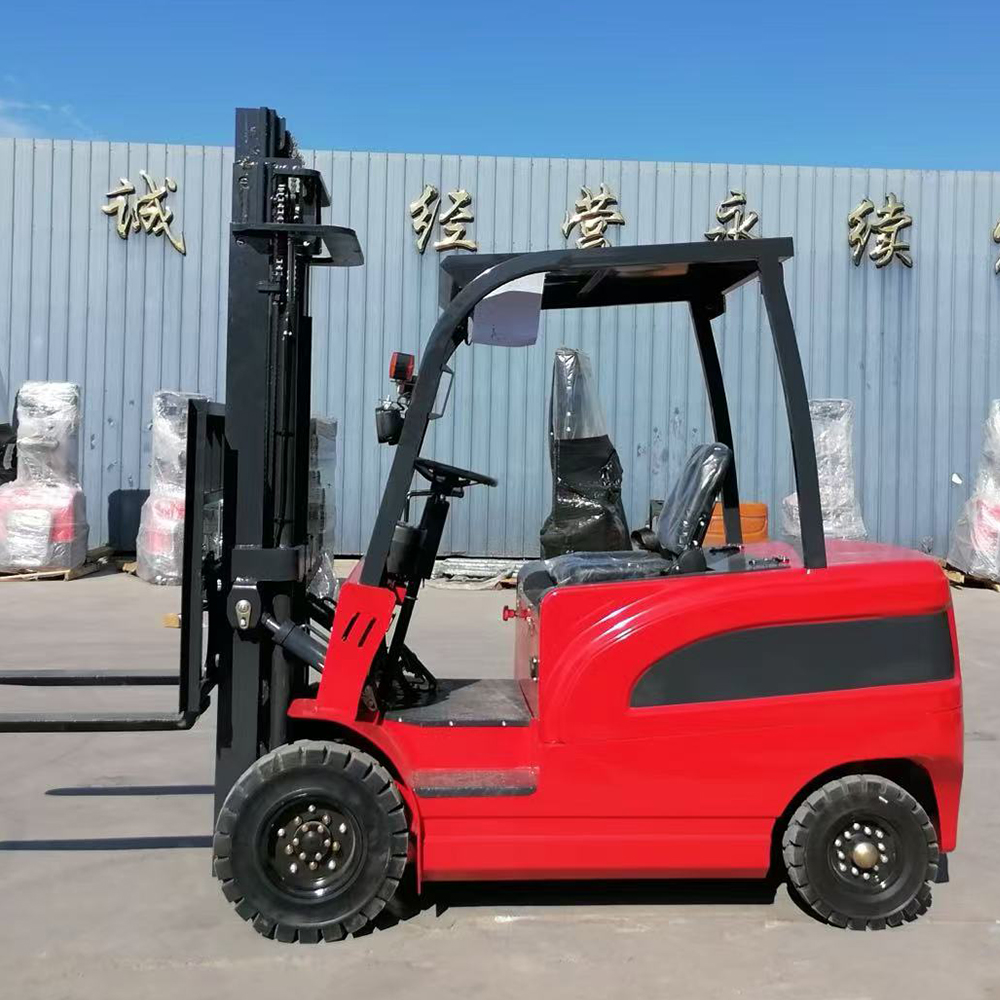
FAQ
What is the typical electric forklift price range across different capacity levels?
A basic two-ton electric forklift price typically ranges from twelve thousand to eighteen thousand dollars, while larger models command progressively higher costs. Three-ton electric forklift price models generally fall between fifteen thousand and twenty-two thousand dollars, and industrial five-ton equipment can exceed thirty thousand dollars depending on features and specifications. Premium models with advanced technology systems can push electric forklift price above forty thousand dollars for specialized applications, making capacity alignment with actual operational requirements essential for cost-effective purchasing decisions.
How does the electric forklift price compare to internal combustion models?
Electric forklifts typically command a higher initial purchase electric forklift price compared to propane or gasoline-powered alternatives, often 15-25% more expensive depending on capacity and features. However, when calculating total cost of ownership including fuel, maintenance, emissions compliance, and operator comfort benefits, the electric forklift price premium is often recovered within three to five years of operation. Lower fuel costs, reduced maintenance requirements, and extended equipment lifespan make the higher upfront electric forklift price economically advantageous for facilities operating extended hours in indoor environments where emissions regulations apply.
What warranty and protection options affect the final electric forklift price negotiation?
Extended warranty programs, maintenance packages, and spare parts coverage can increase the quoted electric forklift price by five to fifteen percent but provide budget predictability and reduced operational risk. Negotiating bundled service agreements as part of your equipment purchase allows you to lock in favorable rates for future repairs and parts replacements, effectively managing long-term cost exposure beyond the initial electric forklift price. Many manufacturers offer financing arrangements that distribute the electric forklift price payments across equipment useful life, making larger investments more accessible while allowing price negotiation on the total package value rather than just the base equipment cost.