
 EN
EN
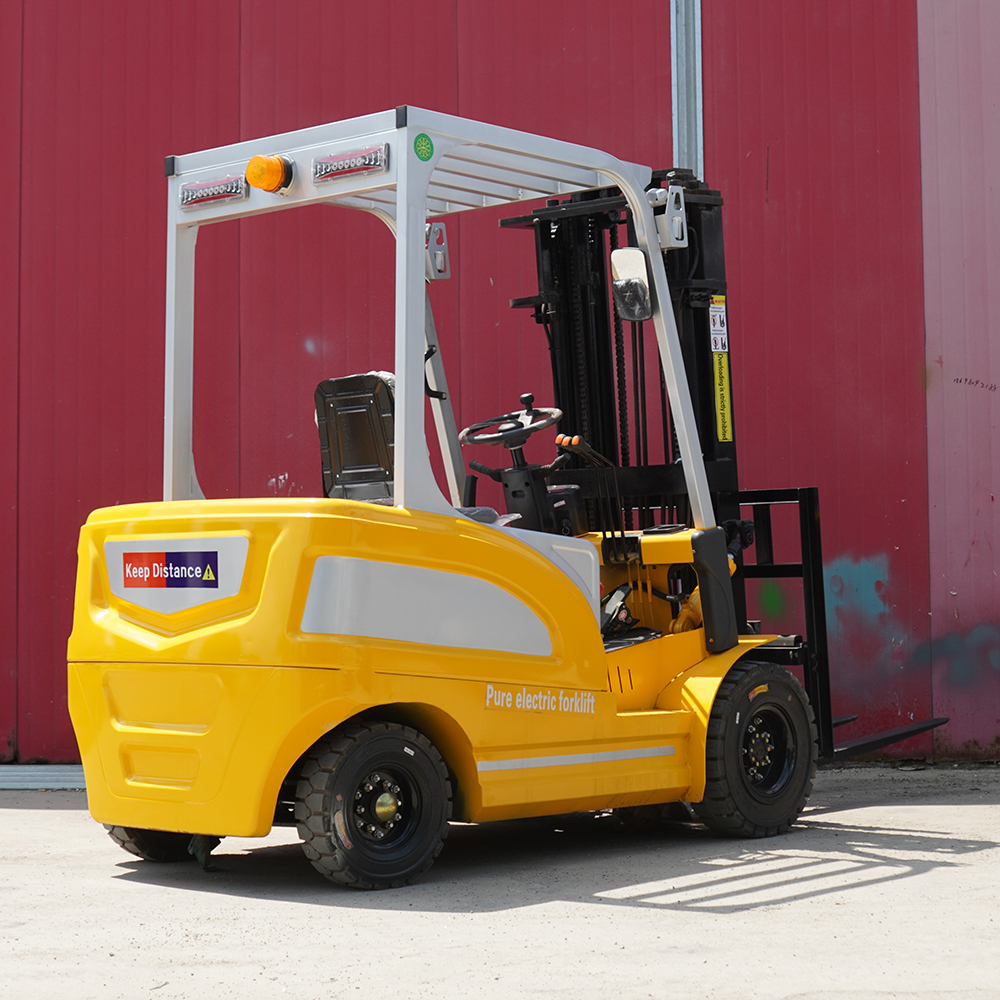
Selecting the right forklift for your warehouse operations requires careful evaluation of capacity, budget, and long-term operational costs. A 3 ton forklift and a 2 ton forklift represent two distinct classes of material handling equipment, each with unique cost implications and performance characteristics. Understanding the financial differences between these models is essential for making an informed purchasing decision that aligns with your facility's needs and constraints. Many warehouse managers face the choice between upgrading to a 3 ton forklift or staying with a smaller 2 ton model, and the cost considerations often determine the outcome.
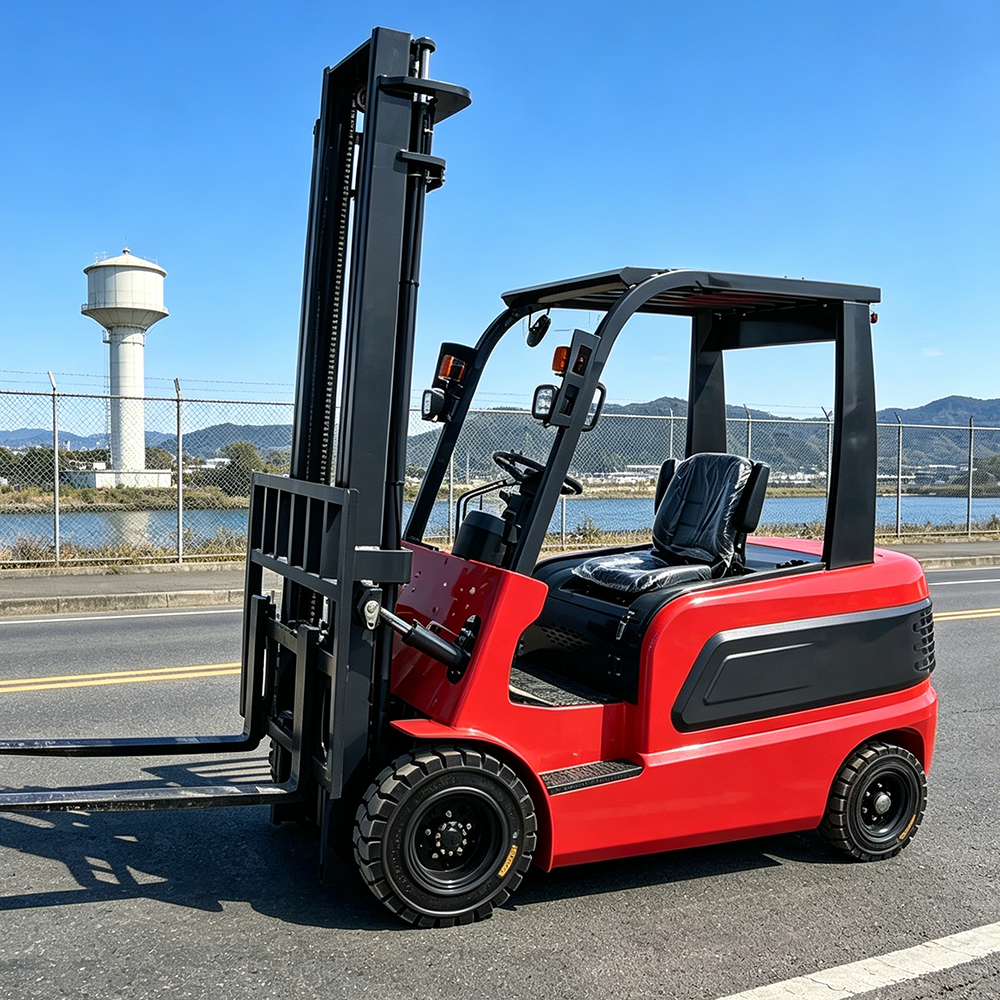
The total cost of ownership for a 3 ton forklift compared to a 2 ton forklift encompasses initial purchase price, fuel or energy consumption, maintenance expenses, and potential productivity gains. A 3 ton forklift typically costs significantly more upfront than a 2 ton model, but this higher investment may deliver better value depending on your operational demands. This comparison guide examines the financial realities of both options, helping you determine which forklift class delivers the best return on investment for your warehouse environment.
Initial Purchase Price and Equipment Financing
Capital Investment for a 2 Ton Forklift
A 2 ton forklift represents the entry-level option in many warehouse operations, with purchase prices typically ranging from fifteen thousand to thirty-five thousand dollars for new electric models. The lower initial cost makes a 2 ton forklift attractive for small facilities, startup operations, or businesses with strict capital budgets. Financing options for a 2 ton forklift often feature shorter terms and lower monthly payments, reducing the cash flow burden on operations. However, the lower price point should not overshadow the practical limitations that emerge during extended use in demanding environments.
Capital Investment for a 3 Ton Forklift
A 3 ton forklift commands a substantially higher purchase price, generally ranging from thirty-five thousand to sixty thousand dollars depending on features, brand, and drive system. The elevated cost reflects the advanced engineering, stronger structural components, and enhanced safety systems that distinguish a 3 ton forklift from smaller models. Financing a 3 ton forklift over longer terms can distribute the capital burden across several years, though total interest costs must be factored into long-term expense analysis. For facilities planning five to seven year ownership cycles, the higher upfront investment in a 3 ton forklift may prove economical when balanced against productivity improvements and reduced downtime.
Operational Costs and Energy Efficiency
Fuel and Energy Consumption Differences
A 2 ton forklift consumes less electrical energy per charge cycle than a 3 ton forklift, translating to lower daily operating costs in facilities with high equipment utilization. Electric models dominate modern warehouse operations, and a 2 ton forklift typically requires less frequent charging and lighter battery specifications compared to a 3 ton forklift. However, if your operation exceeds the capacity limits of a 2 ton forklift, inefficiency emerges when equipment performs multiple trips that a single 3 ton forklift cycle could accomplish. A 3 ton forklift may deliver superior per-unit energy efficiency when handling heavier loads, reducing the total energy footprint of your material movement system.
Maintenance and Repair Expenses
A 2 ton forklift generally incurs lower routine maintenance costs due to simpler mechanical systems and smaller wear components. Scheduled maintenance intervals for a 2 ton forklift typically cost less, and replacement parts for common repairs remain affordable and widely available. Conversely, a 3 ton forklift features more robust hydraulic systems, heavier-duty transmissions, and advanced safety components that necessitate professional servicing and higher parts costs. A 3 ton forklift may also require specialized technician expertise for advanced diagnostics, potentially increasing labor charges. Over a ten-year operational lifespan, maintenance cost differentials between a 2 ton forklift and a 3 ton forklift can accumulate to ten thousand dollars or more, depending on utilization intensity and environmental conditions.
Productivity Impact and Operational Efficiency
Load Capacity and Material Handling Throughput
The fundamental distinction between a 3 ton forklift and a 2 ton forklift lies in daily throughput capacity and the work volume each model can sustain. A 3 ton forklift lifts heavier material loads in single cycles, reducing the number of trips required to move equivalent product volume compared to a 2 ton forklift. In high-volume warehouses, the efficiency gains from deploying a 3 ton forklift can justify the higher purchase price through reduced operator hours and faster inventory rotation. Conversely, a 2 ton forklift operates adequately in facilities with moderate traffic and lighter average load weights, where the capacity limitation rarely creates operational bottlenecks.
Operator Efficiency and Labor Cost Reduction
A 3 ton forklift reduces labor hours by consolidating material movement into fewer cycles, directly lowering per-unit handling costs. Operators achieve higher productivity with a 3 ton forklift because less time is spent waiting, repositioning, or executing repeated trips across the warehouse floor. A 2 ton forklift requires more frequent repositioning and multiple passes to move equivalent loads, consuming additional operator time and delaying downstream workflow. For facilities with labor costs exceeding thirty-five dollars per hour, the productivity premium of a 3 ton forklift often outweighs the additional equipment investment within eighteen to thirty-six months of operation.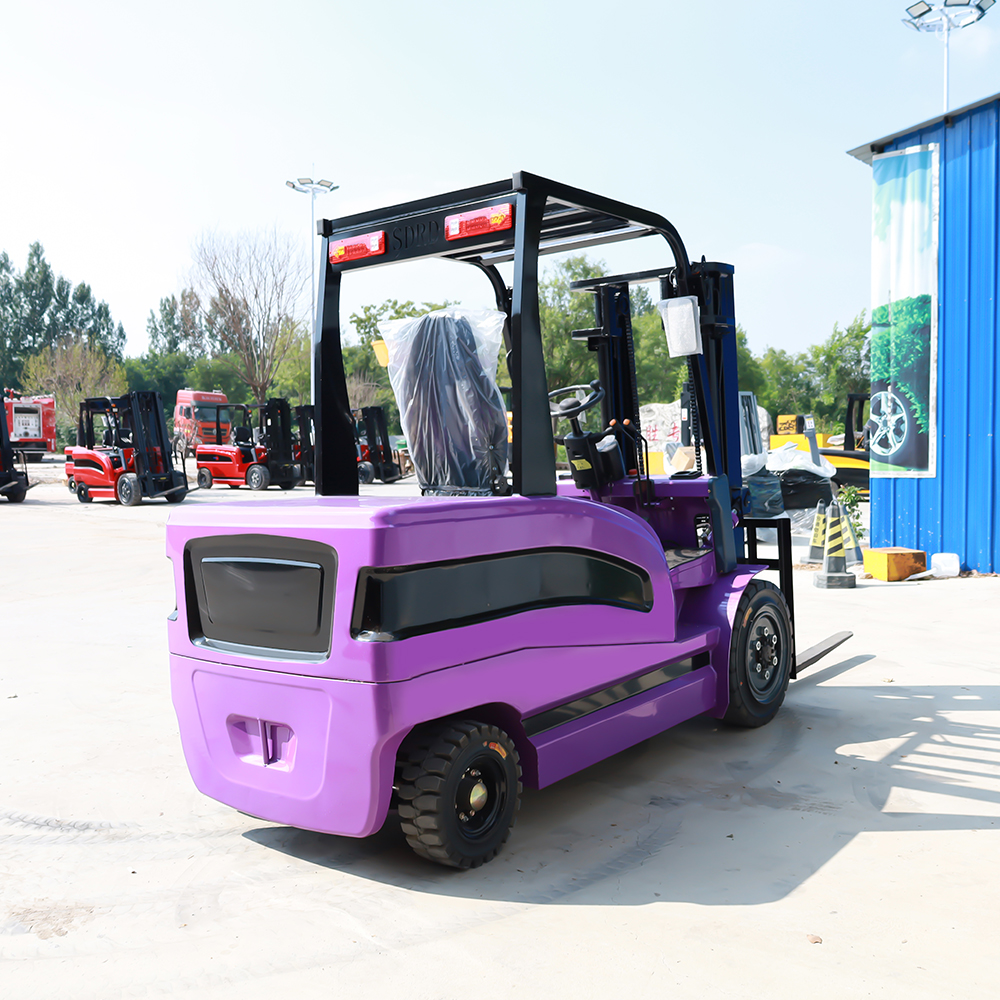
FAQ
What is the typical price difference between a 3 ton forklift and a 2 ton forklift?
A 3 ton forklift typically costs fifteen to thirty thousand dollars more than a comparable 2 ton forklift, depending on drive system, safety features, and manufacturer specifications. The price premium reflects the enhanced capacity, more durable components, and advanced hydraulic systems integrated into a 3 ton forklift design. Budget-conscious facilities often choose a 2 ton forklift initially, but operations with high daily throughput find that upgrading to a 3 ton forklift delivers better cost-per-unit value over the equipment lifecycle.
How do maintenance costs compare between a 3 ton forklift and a 2 ton model?
A 2 ton forklift generally incurs lower annual maintenance expenses, ranging from one thousand to two thousand five hundred dollars, while a 3 ton forklift maintenance typically runs two thousand five hundred to four thousand dollars annually. The cost differential reflects the more complex hydraulic and mechanical systems within a 3 ton forklift, which require specialized servicing and higher-cost replacement parts. However, a 3 ton forklift may reduce total cost of ownership if improved reliability and faster cycle times reduce unplanned downtime and repair urgency.
Should I choose a 3 ton forklift based solely on cost considerations?
Cost alone should not drive the decision between a 3 ton forklift and a 2 ton model; operational requirements, load profiles, and warehouse layout must also influence your choice. A 3 ton forklift delivers superior value when your facility handles loads consistently exceeding two tons and requires high daily throughput. However, if your warehouse primarily moves lightweight items or operates with limited material volume, a 2 ton forklift may prove more cost-effective despite the higher per-unit handling costs. Align your equipment selection with realistic demand forecasts and five-year facility expansion plans to optimize the return on your forklift investment.