
 EN
EN
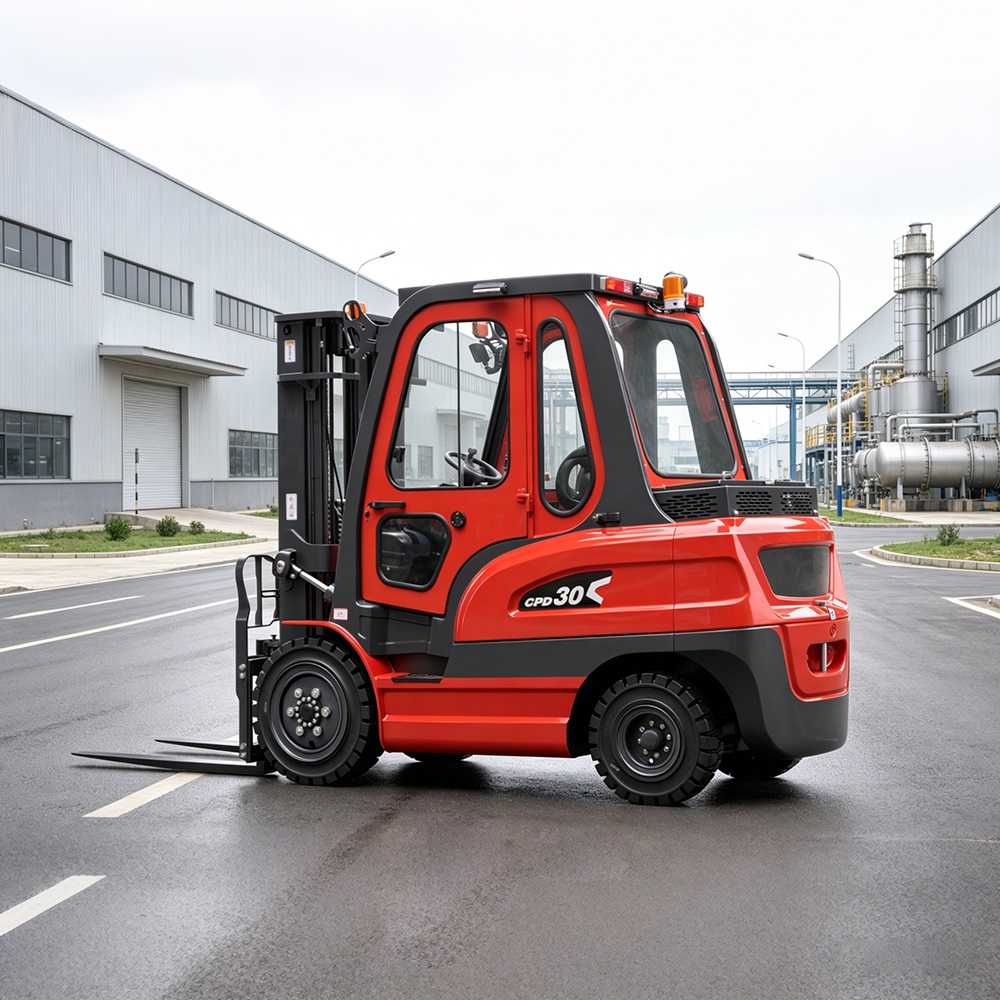
Safety remains the cornerstone of efficient warehouse operations, and electric forklift truck safety features directly impact both personnel protection and operational efficiency. Modern electric forklift truck safety features have evolved significantly over the past decade, incorporating advanced technology, ergonomic design, and regulatory compliance to minimize accidents and injuries. Understanding which electric forklift truck safety features deliver the most value helps facility managers make informed purchasing decisions and establish safer material handling environments. The investment in proper electric forklift truck safety features ultimately reduces downtime, lowers insurance costs, and protects your workforce from preventable harm.
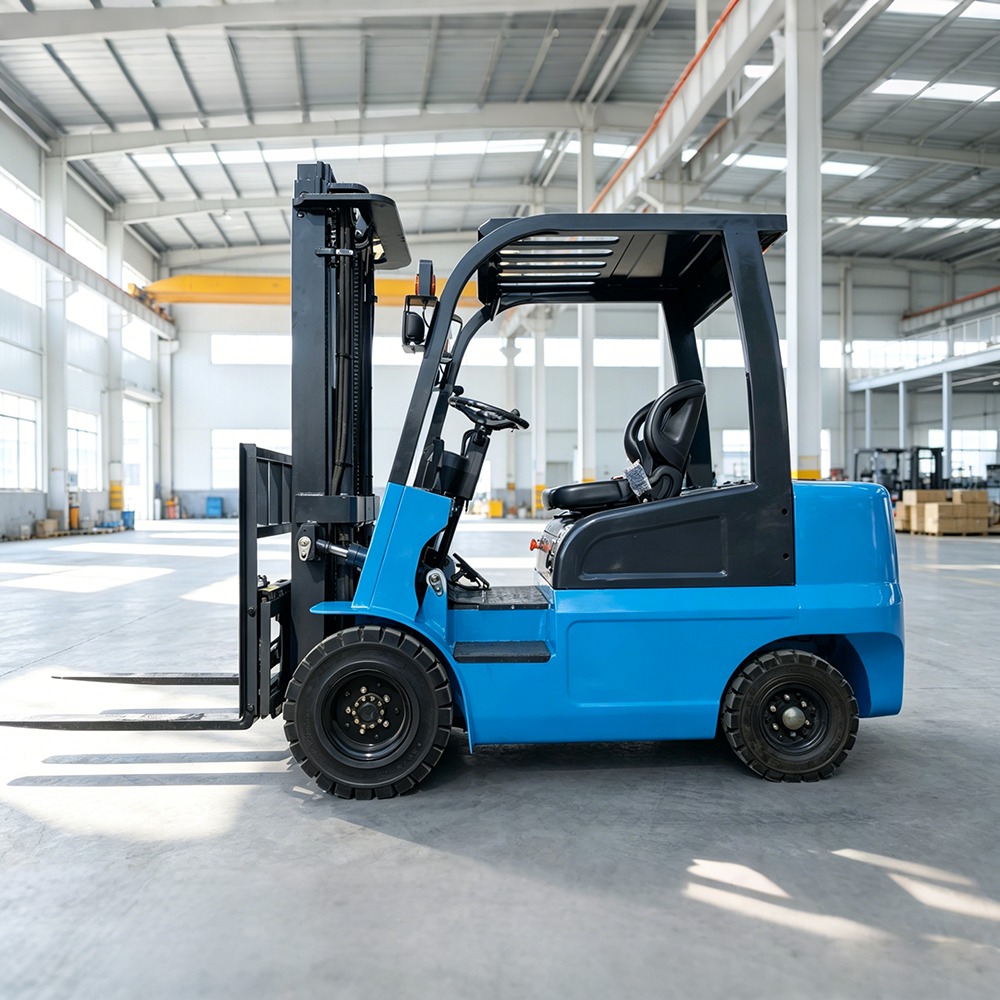
Electric forklift truck safety features span multiple domains, from mechanical braking systems to visibility enhancements and load-handling controls. Each feature addresses specific hazard categories that operators and pedestrians face daily in warehouse and distribution environments. By prioritizing electric forklift truck safety features aligned with your operation's risk profile, you create a comprehensive safety culture that extends beyond equipment specifications to human behavior and environmental design.
Braking and Stopping Power Systems
Regenerative and Friction Braking Technologies
Braking represents one of the most critical electric forklift truck safety features because stopping distance directly determines whether collisions occur. Electric forklifts employ dual-circuit braking systems that combine regenerative braking, which captures energy during deceleration, with friction brakes for maximum stopping power. This redundancy ensures that electric forklift truck safety features in the braking system prevent unexpected brake failure during critical load-lowering operations. High-performance electric forklift truck safety features include proportional braking valves that adjust hydraulic pressure based on load weight, ensuring consistent deceleration regardless of whether the forklift carries a light or maximum load.
Load-Dependent Braking Control
Modern electric forklift truck safety features incorporate load-sensing technology that adjusts braking response to match the weight being transported. When operators handle heavy loads, electric forklift truck safety features automatically increase hydraulic pressure to maintain appropriate stopping distances. This prevents the dangerous condition where a partially loaded forklift stops too quickly while a fully loaded forklift requires extended stopping distance. Electronic load monitoring integrated into electric forklift truck safety features alerts operators when approaching maximum carrying capacity, preventing overload-induced brake failure or tipping incidents.
Visibility and Collision Avoidance Systems
Enhanced Lighting and Camera Systems
Blind spots represent a leading cause of warehouse accidents, making visibility-focused electric forklift truck safety features absolutely essential. Contemporary electric forklift truck safety features include LED work lights with wide beam angles, side mirrors, and rear-view cameras that eliminate dangerous shadow zones around the forklift. Advanced electric forklift truck safety features employ multiple camera views displayed on operator cabins, giving 360-degree situational awareness impossible with traditional mirrors alone. These electric forklift truck safety features prove especially valuable in densely packed warehouses where pedestrians, other equipment, and fixed structures create complex navigation challenges.
Proximity Sensors and Warning Systems
Proximity detection represents an increasingly important category within electric forklift truck safety features that automatically alert operators to nearby obstacles and personnel. Ultrasonic and radar-based electric forklift truck safety features create detection zones around the forklift, triggering audible and visual warnings when objects approach dangerous proximity. Some electric forklift truck safety features employ person-detection algorithms that distinguish between stationary obstacles and moving employees, providing context-aware alerts. These electric forklift truck safety features significantly reduce accidents caused by operator inattention or momentary awareness lapses, particularly during high-traffic warehouse periods.
Load Handling and Stability Controls
Tilt and Load Capacity Limiters
Tipping incidents represent catastrophic safety events, making load stability among the most important electric forklift truck safety features in any operation. Electronic load capacity indicators integrated into electric forklift truck safety features display real-time load weight and center-of-gravity position, preventing operators from lifting loads that exceed safe tipping thresholds. Integrated electric forklift truck safety features automatically prevent excessive mast tilt angles that destabilize the load or raise the forklift's center of gravity beyond safe operating parameters. Hydraulic pressure governors that limit lift height based on load weight exemplify passive electric forklift truck safety features that prevent accidents without requiring operator decision-making.
Containment and Load Securement Features
Containing loads during transport prevents falling objects that endanger pedestrians below, making load securement a fundamental category of electric forklift truck safety features. Modern electric forklift truck safety features include backrests that prevent loads from sliding backward, side guards that contain shifting cargo, and adjustable forks with load-sensing positioning. Some electric forklift truck safety features employ intelligent restraint systems that automatically adjust containment based on load dimensions and weight distribution. These electric forklift truck safety features particularly benefit operations handling varied load types, from pallets to bulk containers to unitized loads requiring different containment strategies.
Operator Protection and Ergonomic Safety
Cabin Design and Impact Protection
Enclosed operator cabins represent major electric forklift truck safety features that protect operators from environmental hazards and potential crush injuries. Modern electric forklift truck safety features include reinforced frame designs meeting international impact standards, seat belt systems, and rearview visibility enhancements. Climate control integrated into electric forklift truck safety features maintains operator focus during extended shifts, preventing fatigue-related accidents common in temperature-extreme warehouses. Roll-over protective structures integrated into electric forklift truck safety features keep operators protected even if the forklift tips, complementing load stability systems that prevent tipping occurrence.
Seat and Ergonomic Controls
Operator fatigue directly correlates with safety performance, making ergonomic electric forklift truck safety features critically important for extended operations. Adjustable seats with lumbar support, armrests, and shock absorption represent electric forklift truck safety features that reduce musculoskeletal strain during continuous operation. Control responsiveness and thumb-wheel steering available on many electric forklift truck safety features minimize operator fatigue while maintaining precision during delicate placement operations. Intuitive control layouts that reduce cognitive load represent often-overlooked electric forklift truck safety features that measurably improve operator focus and response times.
Regulatory Compliance and Maintenance Features
Built-in Diagnostics and Safety Monitoring
Self-diagnostic systems embedded in electric forklift truck safety features continuously monitor brake function, electrical systems, and mechanical components, alerting operators to developing problems before safety failures occur. Battery management systems integrated into electric forklift truck safety features prevent voltage fluctuations that could compromise brake performance or steering response. Electronic maintenance logs that track electric forklift truck safety features performance provide documented evidence of proper maintenance for regulatory compliance and insurance purposes. These electric forklift truck safety features reduce unexpected breakdowns that force operators to use compromised equipment under pressure, a common pathway to accidents.
Standard Compliance and Certification
Electric forklift truck safety features must meet international standards including ISO 3691-4 for driverless industrial trucks and regional regulations governing warehouse equipment. Certified electric forklift truck safety features undergo rigorous testing for stability, braking distance, and visibility before market release, providing assurance that equipment meets proven safety benchmarks. Documentation of electric forklift truck safety features certification helps facility managers defend liability claims and demonstrate duty of care to regulatory agencies. Selecting electric forklift truck safety features that exceed minimum standards creates operational advantages, attracting safety-conscious operators and reducing insurance premiums.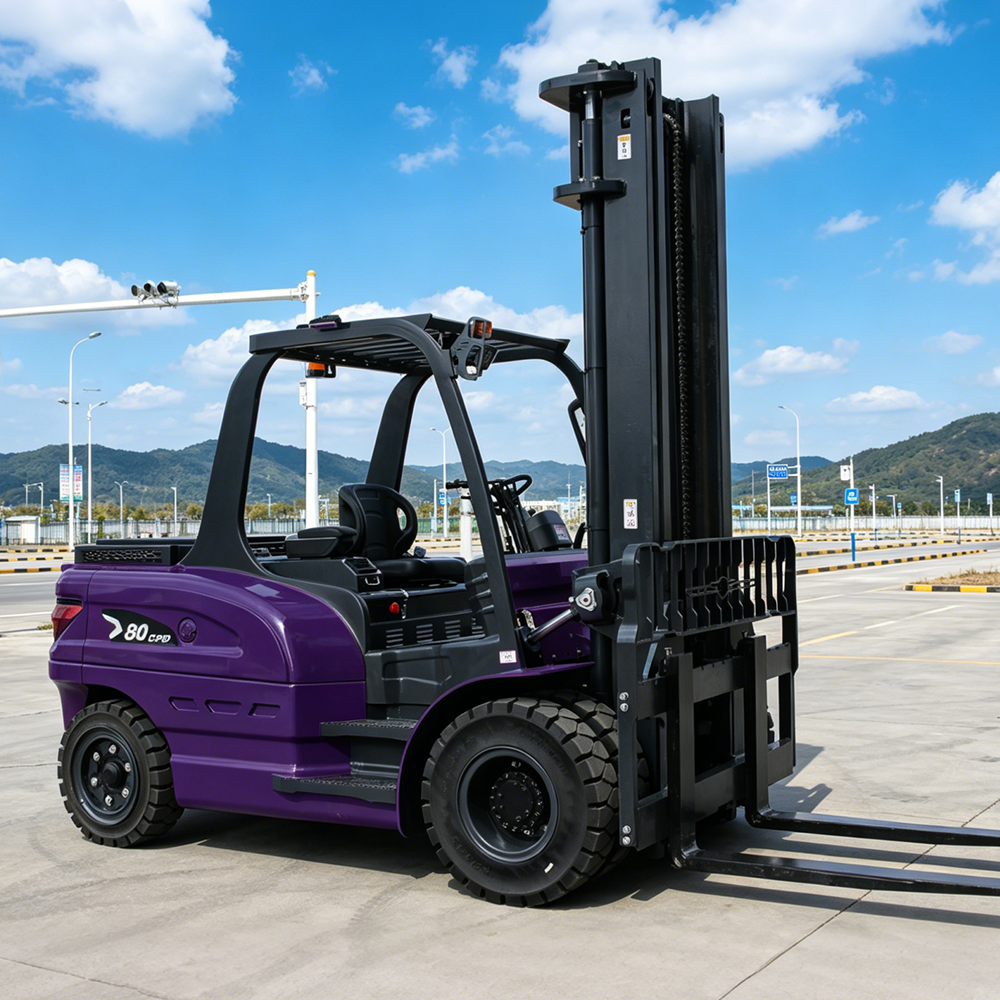
FAQ
What are the most important electric forklift truck safety features for busy warehouses?
For high-traffic warehouses, prioritize electric forklift truck safety features addressing the greatest accident categories: visibility systems with cameras and proximity sensors, advanced braking with load-dependent controls, and stability limiters preventing tipping. These electric forklift truck safety features address the leading accident scenarios—collisions, brake failures, and load shifts—common in crowded environments where multiple equipment types operate simultaneously.
How do electric forklift truck safety features reduce operator fatigue-related accidents?
Electric forklift truck safety features including ergonomic seating with lumbar support, climate control, intuitive controls, and smooth acceleration/deceleration reduce physical and cognitive strain during extended shifts. When operators remain less fatigued, their reaction times improve and situational awareness remains sharp, making fatigue-mitigation electric forklift truck safety features measurably beneficial for accident prevention. Facilities implementing comprehensive electric forklift truck safety features focused on operator comfort report higher safety compliance and fewer preventable incidents.
Are proximity sensors necessary electric forklift truck safety features for all operations?
While proximity sensors represent optional electric forklift truck safety features, they provide exceptional value in congested areas with high pedestrian traffic, narrow aisles, or reduced visibility situations. Operations with low accident histories and wide clear spaces may not require advanced electric forklift truck safety features like proximity sensors, though their modest cost increasingly justifies inclusion as standard electric forklift truck safety features. Regulatory trends suggest proximity detection and collision avoidance technology will become mandatory electric forklift truck safety features in many regions, making early adoption strategically advantageous.