
 EN
EN
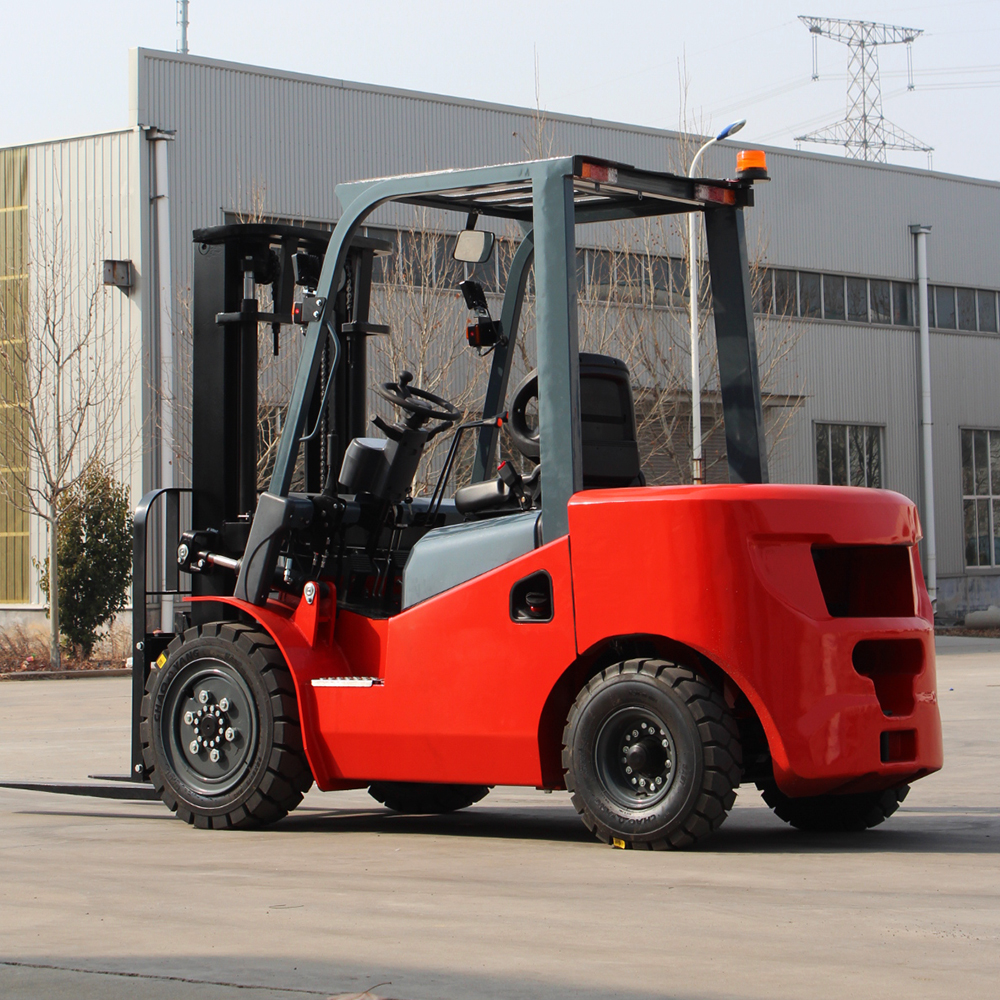
Modern logistics hubs depend heavily on specialized equipment to maintain competitive operations and meet demanding throughput targets. Among the most critical assets in any distribution center or port facility is the forklift truck, which has become indispensable for container loading, unloading, and internal material movement. Understanding why logistics hubs rely on a forklift truck reveals fundamental truths about operational efficiency, cost management, and safety in the supply chain industry.
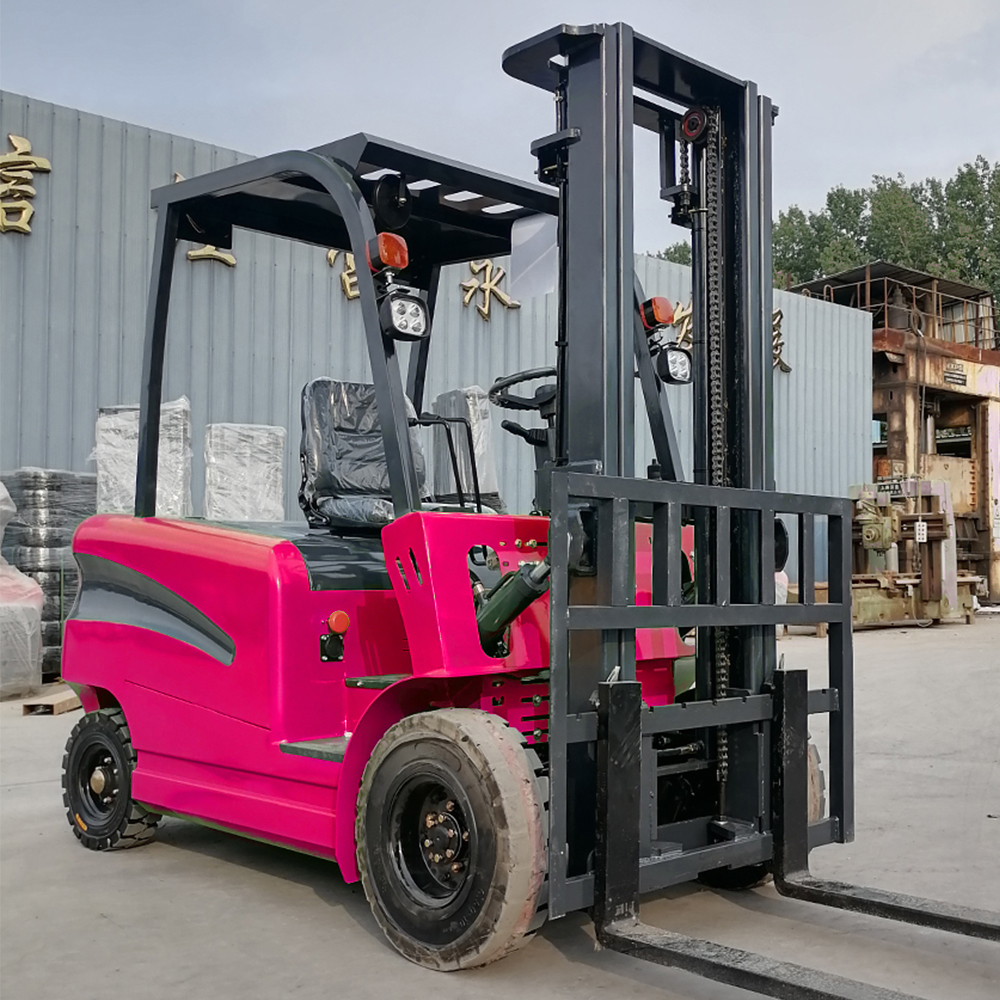
A forklift truck serves as the backbone of containerized cargo operations, enabling rapid transfer of heavy loads that would be impossible or unsafe to move manually. In logistics hubs where thousands of containers arrive and depart daily, the forklift truck becomes the primary tool for managing inventory flow, optimizing storage space, and maintaining schedule adherence. The investment in quality forklift truck equipment directly correlates with facility performance, worker safety, and profitability across the supply chain.
Operational Efficiency and Throughput Capacity
Accelerating Container Movement
The primary reason logistics hubs invest in a forklift truck is to dramatically accelerate the movement of containers through the facility. Without a forklift truck, personnel would need to manually handle heavy pallets and containers, which drastically limits throughput. A modern forklift truck can move multiple containers per hour, allowing distribution centers to process significantly more cargo within the same operational window. This speed translates directly into revenue, as faster container processing means more shipments leave the facility daily, increasing overall hub capacity without requiring expansion of physical space.
Maximizing Storage Utilization
Every logistics hub faces space constraints, making vertical storage essential for profitability. A forklift truck with an elevated mast enables stacking of containers to optimal heights, transforming limited floor space into multi-tier storage. This capability is impossible without a forklift truck, as manual handling cannot safely raise heavy containers to significant heights. By utilizing vertical storage through proper forklift truck deployment, logistics hubs increase their effective storage capacity by three to five times compared to single-level arrangement, delivering substantial cost savings per square meter of facility space.
Safety and Risk Management
Protecting Worker Health and Liability
Logistics facilities that attempt to minimize forklift truck usage expose themselves to serious safety liabilities. Containers and pallets regularly weigh several tons, far exceeding safe manual lifting limits established by occupational safety standards. When workers attempt to load or unload containers without a forklift truck, injuries escalate rapidly, driving up workers' compensation claims, increasing insurance premiums, and creating operational disruptions. A properly deployed forklift truck eliminates the need for workers to manually handle dangerously heavy loads, reducing injury rates and protecting the facility from significant legal and financial exposure.
Preventing Cargo Damage
Manual container handling frequently results in dropped loads, crushed merchandise, and damaged shipments. A forklift truck, when operated by trained personnel, provides controlled movement that prevents cargo deterioration. This protection is particularly critical for high-value goods, fragile products, and time-sensitive shipments that cannot afford damage. The investment in a forklift truck pays dividends through reduced shrinkage, fewer customer complaints, and lower warranty costs. Additionally, a forklift truck operated correctly maintains cargo integrity throughout the logistics chain, enhancing customer satisfaction and protecting brand reputation.
Cost Control and Economic Justification
Labor Productivity and Wage Management
Modern logistics hubs operate with lean staffing models that rely on a forklift truck to maximize output per worker. One operator of a forklift truck can accomplish what previously required four or five manual laborers, creating significant wage savings and reducing recruitment pressures. This productivity advantage is fundamental to competitive pricing in logistics services. When facilities avoid investing in a forklift truck, they must employ additional personnel to compensate, dramatically increasing labor costs and reducing flexibility during seasonal demand fluctuations. The forklift truck thus enables facilities to maintain profitability even as wage pressures mount across the industry.
Long-Term Equipment Investment Returns
While a forklift truck represents a substantial capital investment, the financial returns justify the expense within relatively short timeframes. Improved throughput means more revenue per facility per month. Reduced labor requirements decrease payroll expenses. Lower injury rates minimize insurance and compliance costs. Decreased cargo damage reduces replacement costs and customer penalties. When aggregated, these savings typically recover the forklift truck investment within twelve to twenty-four months of operation. Beyond the payback period, every additional month of operation delivers pure profit improvement, making a forklift truck one of the highest-return equipment investments in logistics operations.
Technical Requirements and Container Handling Standards
Meeting Industry Load Specifications
Standard containers in global logistics weigh from five to thirty tons depending on cargo and container type. No human or team of humans can safely manipulate these loads without mechanical assistance. A forklift truck rated for container operations must meet strict capacity and stability requirements to prevent tipping, shifting, or structural failure. Logistics hubs select specialized forklift truck models designed specifically for container loading, featuring reinforced masts, extended load centers, and enhanced stability controls. This technical specialization ensures that a forklift truck safely handles the precise demands of containerized cargo, maintaining service continuity and regulatory compliance across international supply chains.
Adapting to Variable Container Configurations
Logistics hubs receive containers in multiple configurations, including twenty-foot and forty-foot lengths, with varying weights and contents. A versatile forklift truck accommodates these variables through adjustable attachments and operator skill in load balancing. Without a forklift truck capable of handling diverse container types, facilities would need multiple specialized machines, inflating capital costs and complicating operations. The flexibility of a modern forklift truck allows single equipment to serve numerous container scenarios, making it the economically and operationally sensible choice for multi-purpose logistics hubs serving diverse customer bases.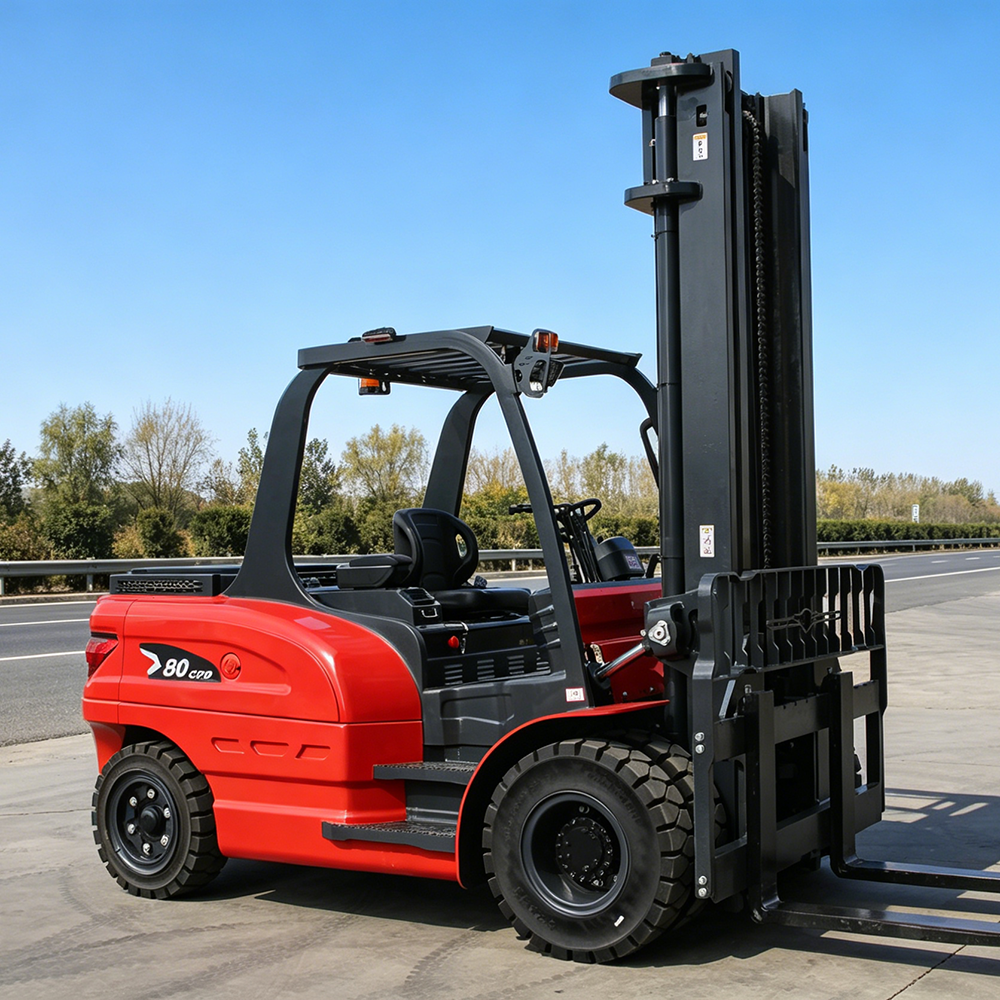
FAQ
How does a forklift truck improve container loading speed compared to manual handling?
A forklift truck can load or unload containers in minutes, compared to hours for manual handling. The mechanical advantage, lifting capacity, and speed of a forklift truck eliminate the time-consuming manual process of securing, moving, and positioning heavy containers. This speed advantage directly increases facility throughput, allowing logistics hubs to process more shipments daily and generate higher revenue without expanding physical infrastructure or staffing levels.
What safety standards apply to forklift truck operations in logistics hubs?
Logistics facilities must comply with occupational safety regulations governing forklift truck operation, including operator certification, load capacity limits, and maintenance schedules. Most jurisdictions require formal training and licensing for forklift truck operators to ensure safe handling of loads and prevention of accidents. Regular inspection and maintenance of a forklift truck is legally required to identify mechanical failures before they cause incidents. Facilities that invest in forklift truck safety training and maintenance protocols minimize liability while protecting worker wellbeing.
Can a logistics hub operate efficiently without investing in a forklift truck?
Modern logistics hubs cannot compete without a forklift truck due to speed, safety, and cost pressures. Facilities attempting to operate without a forklift truck face significantly higher labor costs, slower throughput, increased injury risk, and reduced profitability. While smaller operations might manage with minimal equipment, any facility handling containerized cargo at scale depends on a forklift truck to remain economically viable and operationally safe within industry standards and customer expectations.