
 EN
EN
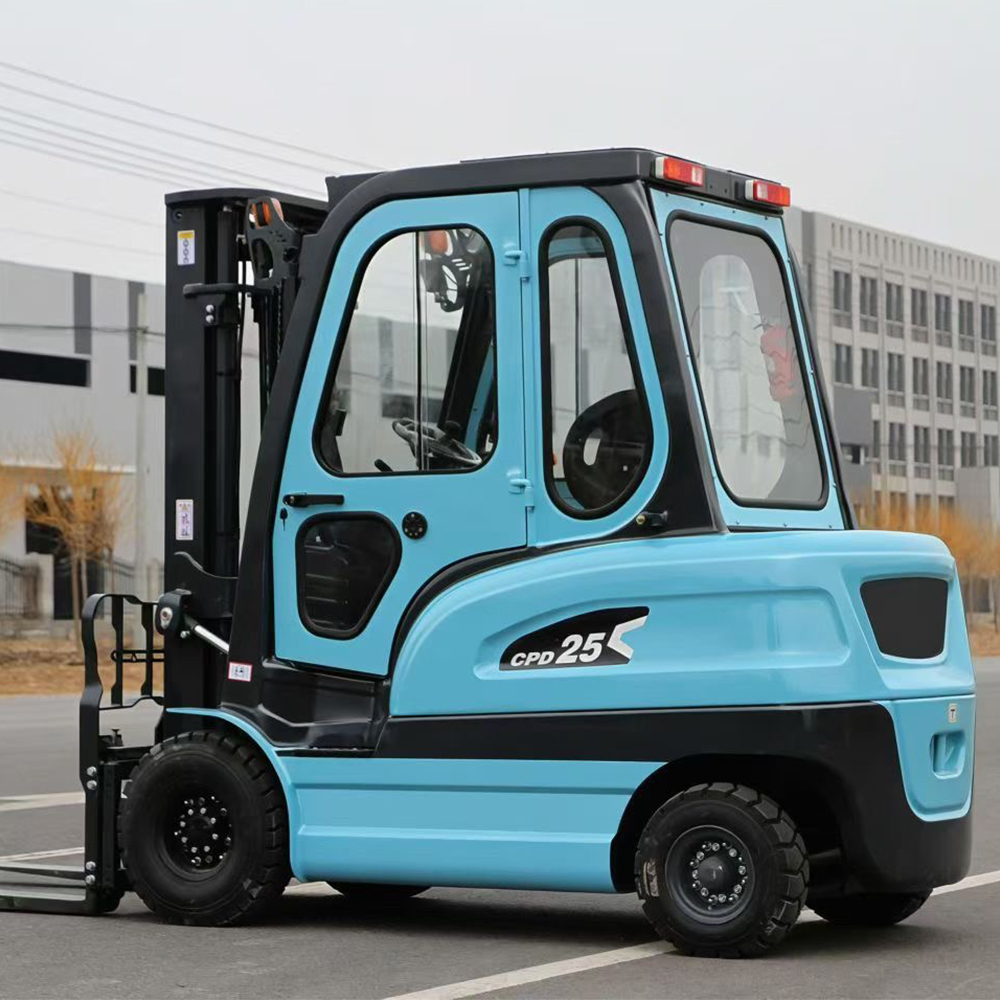
Cold storage facilities operate in some of the most challenging environments in industrial logistics. Maintaining sub-zero temperatures while managing heavy material handling creates unique operational demands that standard equipment often cannot meet efficiently. The choice of material handling equipment becomes critical when working in these frozen environments, and many facility managers have discovered that an electric forklift outperforms traditional alternatives in cold storage settings. Understanding why an electric forklift has become the preferred solution requires examining the specific conditions within these refrigerated spaces and how equipment performance is affected by extreme cold.
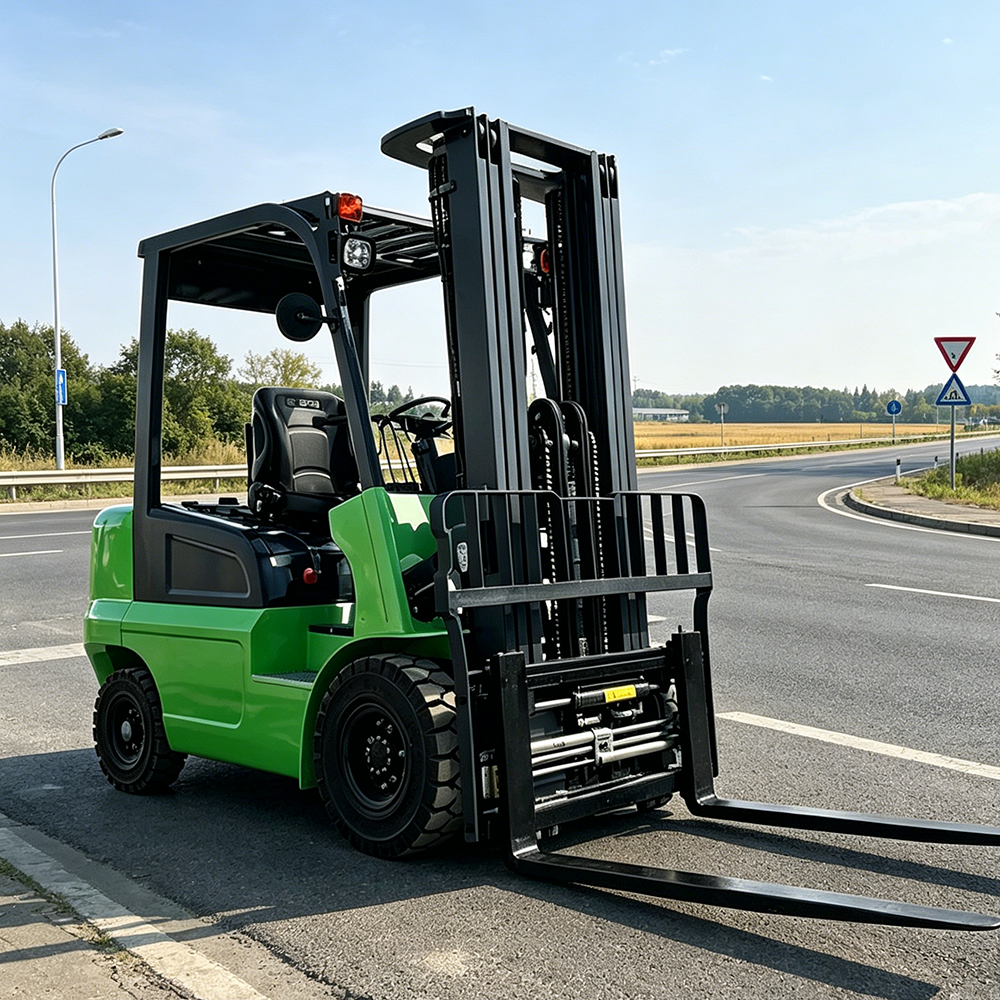
An electric forklift operates through battery-powered electric motors, a fundamental design difference from internal combustion engines that makes all the difference in frozen environments. Cold storage facilities worldwide have increasingly adopted electric forklift technology because it delivers measurable advantages in performance, safety, and operational cost. This shift reflects a practical recognition that equipment selection directly impacts productivity, worker safety, and the bottom line in temperature-controlled warehouses.
How Cold Affects Equipment Performance
Engine Efficiency in Freezing Temperatures
Internal combustion engines lose efficiency dramatically in cold environments. Fuel viscosity increases, battery output drops in conventional engines, and engine startup becomes difficult in sub-zero conditions. An electric forklift, by contrast, performs more consistently across temperature ranges because electric motors do not rely on chemical combustion or traditional battery chemistry in the same way. The electric motor in an electric forklift maintains steady torque and power delivery even as external temperatures plummet, ensuring reliable operation throughout long shifts in freezing warehouses.
The exhaust system of gas or propane forklifts creates additional complications in cold storage. Condensation forms rapidly in sub-zero air, causing corrosion and equipment degradation. An electric forklift produces zero exhaust, eliminating this corrosion risk entirely. Facility managers report that an electric forklift requires less frequent maintenance and demonstrates longer operational life compared to combustion-powered alternatives, translating to significant cost savings over time.
Battery Technology and Cold Performance
Modern lithium and advanced lead-acid batteries used in an electric forklift are engineered to function in cold conditions. Manufacturers design electric forklift battery systems with thermal management features and materials that resist temperature-related degradation. While battery capacity does decrease somewhat in extreme cold, an electric forklift still delivers sufficient power for most cold storage operations throughout an entire shift. Many cold storage facilities keep charging stations in heated areas, allowing an electric forklift to begin each shift with a fully warm battery pack.
Safety and Environmental Advantages
Elimination of Toxic Fumes
Propane and gasoline forklifts release carbon monoxide and other harmful emissions inside enclosed cold storage spaces. Workers in these facilities face accumulated exposure to toxic gases, particularly in areas with limited ventilation. An electric forklift eliminates this hazard completely, creating a safer work environment. Cold storage workers can operate an electric forklift for extended periods without inhaling engine fumes, reducing occupational health risks and improving overall workplace safety metrics.
The absence of combustion also reduces fire risk in cold storage facilities where refrigerants and other materials may be present. An electric forklift operates without flame or spark risk, meeting stricter safety protocols required in temperature-sensitive environments. Insurance companies often recognize the safety advantages of an electric forklift, sometimes offering lower premiums for facilities that eliminate combustion equipment from cold storage zones.
Reduced Noise and Vibration
Electric motors are inherently quieter than internal combustion engines. In confined cold storage spaces, noise levels remain significantly lower with an electric forklift, reducing worker fatigue and improving communication on the warehouse floor. Lower vibration from an electric forklift also translates to less product damage during handling, particularly important when moving frozen goods that may become brittle or fragile at extremely low temperatures.
Operational Efficiency and Cost Management
Lower Operating Costs
An electric forklift reduces ongoing fuel expenses by eliminating propane or gasoline consumption. Cold storage facilities with high hourly equipment usage see the greatest fuel cost savings. Beyond fuel, an electric forklift requires significantly less maintenance than combustion alternatives. Oil changes, spark plug replacements, and engine repairs disappear entirely. Cold storage operators report that an electric forklift achieves lower total cost of ownership despite potentially higher upfront purchase prices, with payback periods often shorter than expected.
Energy efficiency represents another economic advantage. Electric motors convert approximately ninety percent of electrical energy into mechanical work, compared to roughly twenty-five to thirty percent efficiency in gasoline engines. An electric forklift delivers more work per unit of energy consumed, directly lowering facility operating expenses. As electricity rates stabilize and renewable energy sources become more prevalent, the cost advantage of an electric forklift continues to improve.
Consistent Performance Throughout Shifts
An electric forklift maintains consistent power delivery from the first hour of operation until battery depletion, unlike gas forklifts that may lose power as fuel consumption continues. This predictability enables better scheduling in cold storage facilities where precise material handling timing impacts inventory flow. Operators know exactly how long an electric forklift can operate before requiring a charge, allowing for more efficient shift planning and reduced idle time waiting for equipment.
Lift speed and load capacity remain stable throughout operation with an electric forklift, ensuring uniform productivity regardless of battery charge status. Cold storage managers can assign an electric forklift to critical tasks with confidence that performance will not degrade during the shift, a significant advantage in facilities managing time-sensitive frozen goods.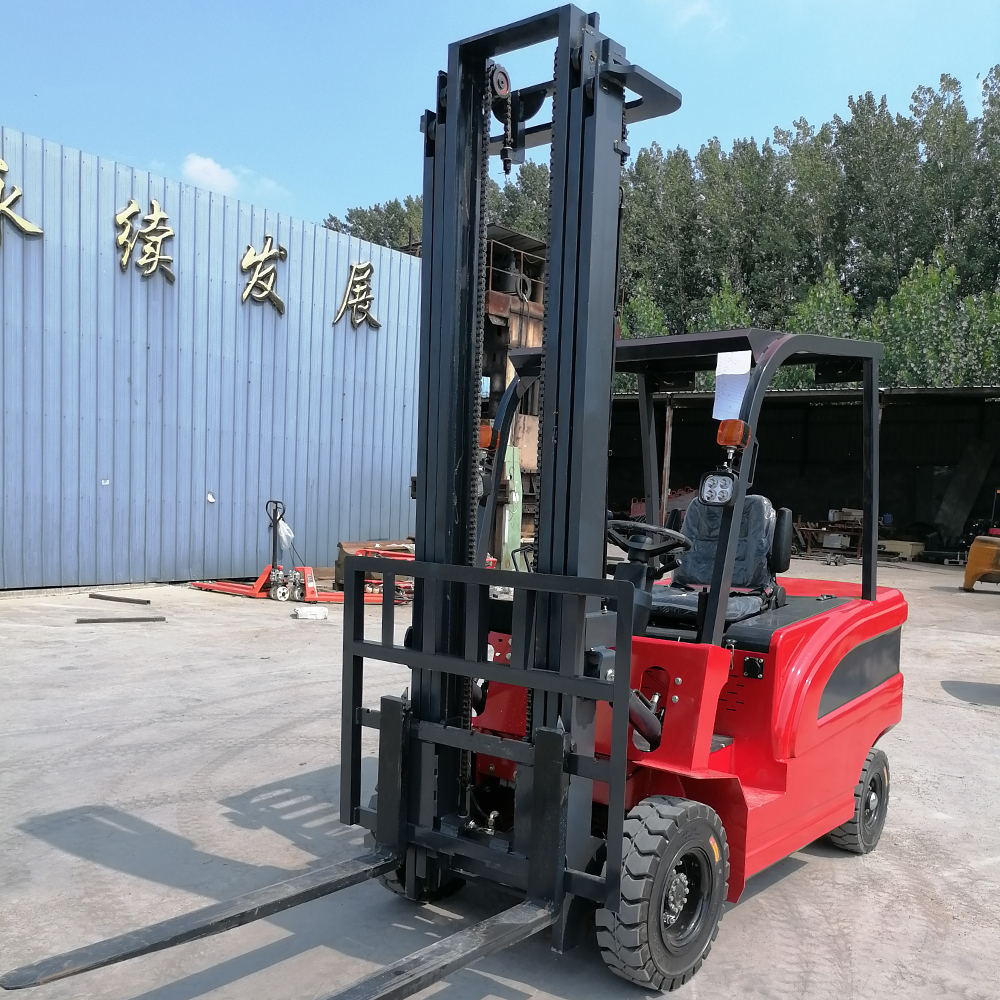
FAQ
Can an electric forklift lift the same weight as a gas forklift in cold storage?
Yes, an electric forklift offers comparable load capacities to combustion alternatives in cold storage environments. Modern electric forklift models are available in various weight classes, from one-ton to multi-ton capacity. In fact, an electric forklift often maintains its rated capacity more consistently across temperature ranges compared to gas equipment. Cold storage operators can select an electric forklift matched to their specific lifting requirements without compromising on load handling ability.
How long does an electric forklift battery last in freezing conditions?
Battery runtime decreases by approximately ten to twenty percent in freezing temperatures compared to room-temperature operation, depending on the specific battery type and cold storage temperature. An electric forklift equipped with advanced thermal management systems experiences minimal range loss. Most cold storage facilities design charging protocols around these conditions, often rotating an electric forklift between heated charging stations during breaks. With proper maintenance, an electric forklift battery maintains acceptable performance for a seven to eight hour shift in typical cold storage environments.
What is the initial investment difference between electric and gas forklifts?
An electric forklift typically costs fifteen to twenty-five percent more upfront than comparable gas models, though prices continue declining as technology matures. However, the total cost of ownership over five to seven years strongly favors an electric forklift when considering fuel, maintenance, and regulatory compliance costs. Cold storage facilities that invest in an electric forklift recoup the higher initial expense through operational savings, making it a financially sound decision for long-term facility management.