
 EN
EN
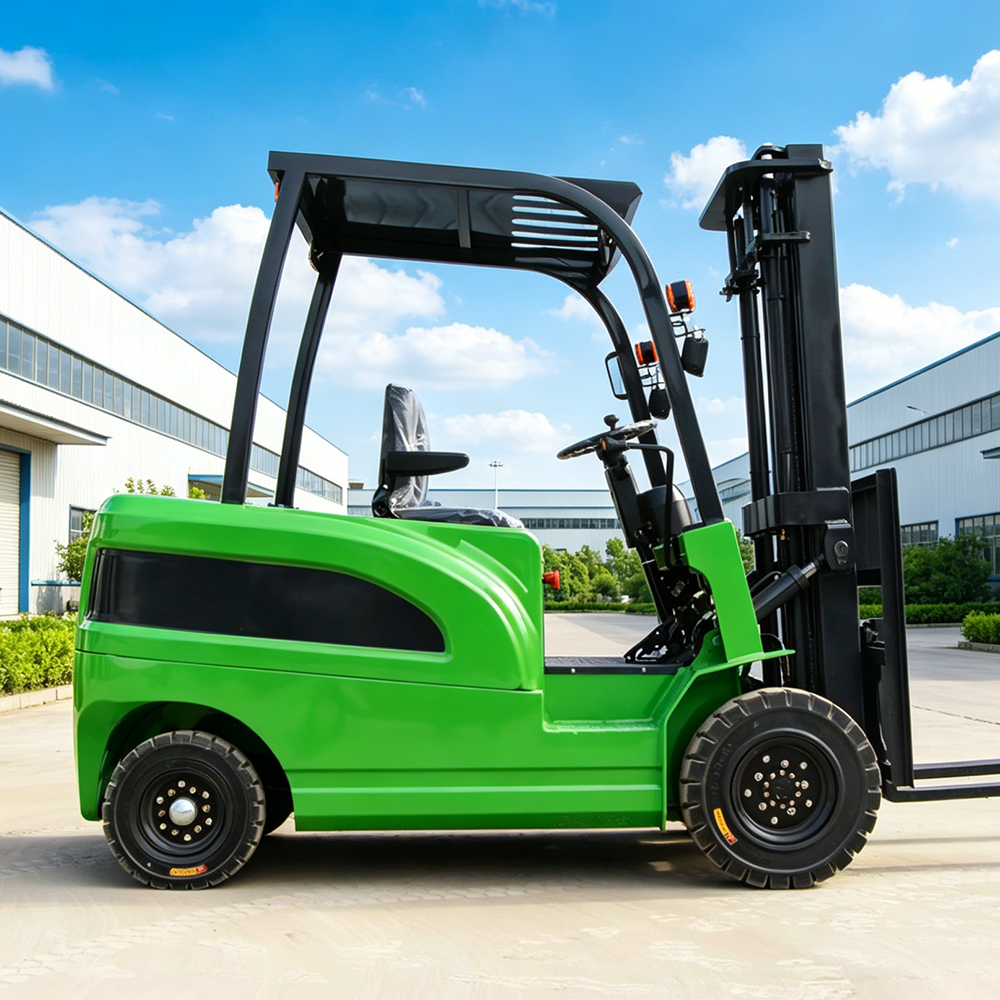
The operational lifespan of a 5 ton electric forklift directly depends on the quality and consistency of care it receives throughout its working years. Many warehouse operators and facility managers underestimate how much strategic electric forklift maintenance can add to equipment longevity and reduce unexpected downtime costs. A well-maintained 5 ton electric forklift can reliably serve your facility for over a decade, while neglected equipment may fail prematurely and require costly repairs or early replacement. Understanding which electric forklift maintenance tasks matter most will help you protect your investment and keep operations running smoothly.
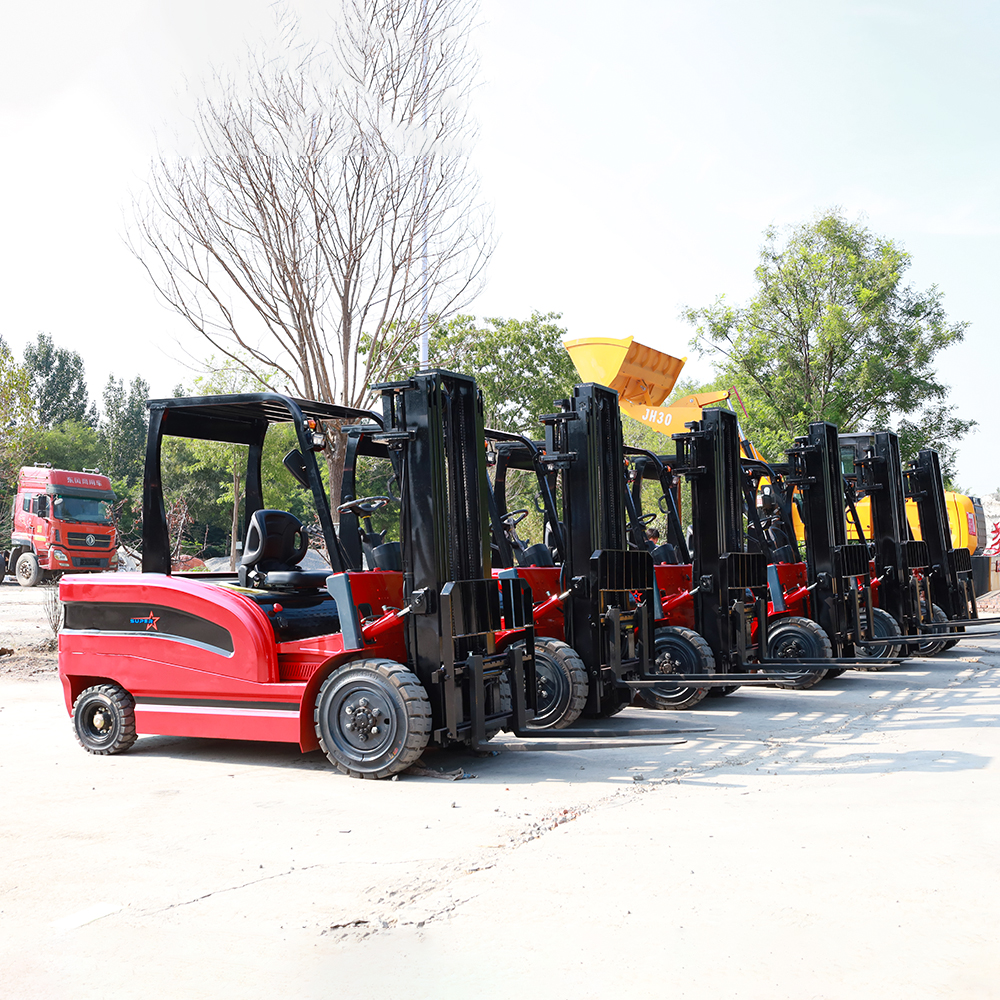
Proper electric forklift maintenance encompasses battery management, hydraulic system care, structural inspection, and operator discipline. The relationship between preventive maintenance and equipment reliability is proven in industrial environments worldwide. By implementing a structured electric forklift maintenance schedule and addressing wear patterns early, you avoid the cascade of secondary failures that turn minor issues into major expenses. This guide explores the specific electric forklift maintenance practices that warehouse professionals use to maximize equipment value and minimize operational risk.
Battery Management and Charging Protocols
Establishing Proper Charging Routines
The battery system represents the most critical component in any 5 ton electric forklift, making electric forklift maintenance of the battery the single highest priority. Establishing consistent charging protocols ensures that your 5 ton electric forklift battery maintains optimal chemical balance and electrical output throughout its service life. Overcharging, undercharging, and irregular charging cycles degrade battery plates and shorten lifespan significantly. Operators should charge the battery fully at the end of each shift without removing it prematurely, as partial charging creates sulfation that reduces capacity permanently. Connecting your 5 ton electric forklift to a properly sized charger designed for lead-acid or lithium batteries prevents voltage surges that damage internal cells.
Temperature Control and Storage Conditions
Temperature extremes directly impact the chemical reactions inside your 5 ton electric forklift battery pack, making thermal management essential for electric forklift maintenance. Batteries perform optimally in climate-controlled environments between 50 and 80 degrees Fahrenheit. In winter conditions, cold reduces chemical activity and temporarily lowers available power, so pre-warming before operation extends battery life and performance. Summer heat accelerates corrosion and internal degradation, requiring ventilation and shade during extended periods between uses. Monitoring electrolyte levels in traditional lead-acid batteries and refilling with distilled water as needed is another overlooked element of electric forklift maintenance that prevents internal damage and maintains conductive pathways.
Hydraulic System Inspections and Fluid Replacement
Monitoring Hydraulic Fluid Condition
The hydraulic system that powers lift, tilt, and load-handling functions depends on clean, properly viscosity fluid to function without degradation, making hydraulic care central to electric forklift maintenance. Over time, hydraulic fluid accumulates microscopic metal particles, water vapor, and oxidation byproducts that accelerate wear on pumps, cylinders, and seals. A 5 ton electric forklift experiencing sluggish lift response or unusual sounds during operation often signals hydraulic fluid degradation that requires immediate replacement as part of electric forklift maintenance. Checking fluid color, smell, and particle content through transparent sight glasses reveals contamination before it damages expensive components. Most industrial operations replace hydraulic fluid every 1500 to 2000 operating hours to maintain system reliability and extend the life of pressure-sensitive seals.
Seal and Hose Inspection Protocols
Seals and hoses in your 5 ton electric forklift hydraulic system experience pressure cycling that gradually weakens rubber and plastic materials over years of operation. Preventive electric forklift maintenance includes visual inspection of all hoses for surface cracks, bulges, or weeping fluid before failures cause sudden loss of lifting capacity. Replacing hoses proactively before failure prevents sudden equipment shutdown during critical warehouse operations and protects operators from unexpected hydraulic failure. Worn seals allow fluid to leak internally, reducing system pressure and causing the hydraulic pump to work harder and overheat. A structured electric forklift maintenance routine checks every hydraulic connection monthly and replaces deteriorating components during scheduled service windows when downtime can be planned.
Structural Integrity and Brake System Care
Frame, Mast, and Structural Examination
The steel frame and mast assembly of a 5 ton electric forklift experiences constant stress from load cycles and must be monitored regularly to catch structural problems before they compromise safety, a critical aspect of electric forklift maintenance. Surface rust, corrosion, and small cracks develop gradually and can propagate rapidly under continuous operational stress. Monthly visual inspections under adequate lighting reveal developing rust spots, which should be treated with rust converters and protective paint to prevent deeper corrosion that weakens structural capacity. A 5 ton electric forklift that visibly tilts or drifts to one side may indicate frame bending or mast misalignment, conditions that demand immediate attention as part of electric forklift maintenance. Documenting structural observations creates a historical record that helps facility managers recognize patterns and schedule major repairs during planned maintenance windows.
Brake Adjustment and Pad Replacement
Safe operation of a 5 ton electric forklift requires reliable braking performance, making brake system inspection an essential electric forklift maintenance responsibility that directly impacts operator safety. Brake pads and friction surfaces wear gradually as the forklift stops under load day after day, and worn brakes increase stopping distance and reduce load control. Testing brake response through smooth deceleration tests and noting any change in feel helps operators identify gradual brake degradation before complete failure occurs. Replacing brake pads and adjusting brake fluid levels according to manufacturer schedules ensures predictable stopping performance and maintains the safety margin essential for warehouse operations. A 5 ton electric forklift with soft or mushy brake pedal response indicates air in the brake lines or worn master cylinders, requiring professional electric forklift maintenance service to restore safe braking function.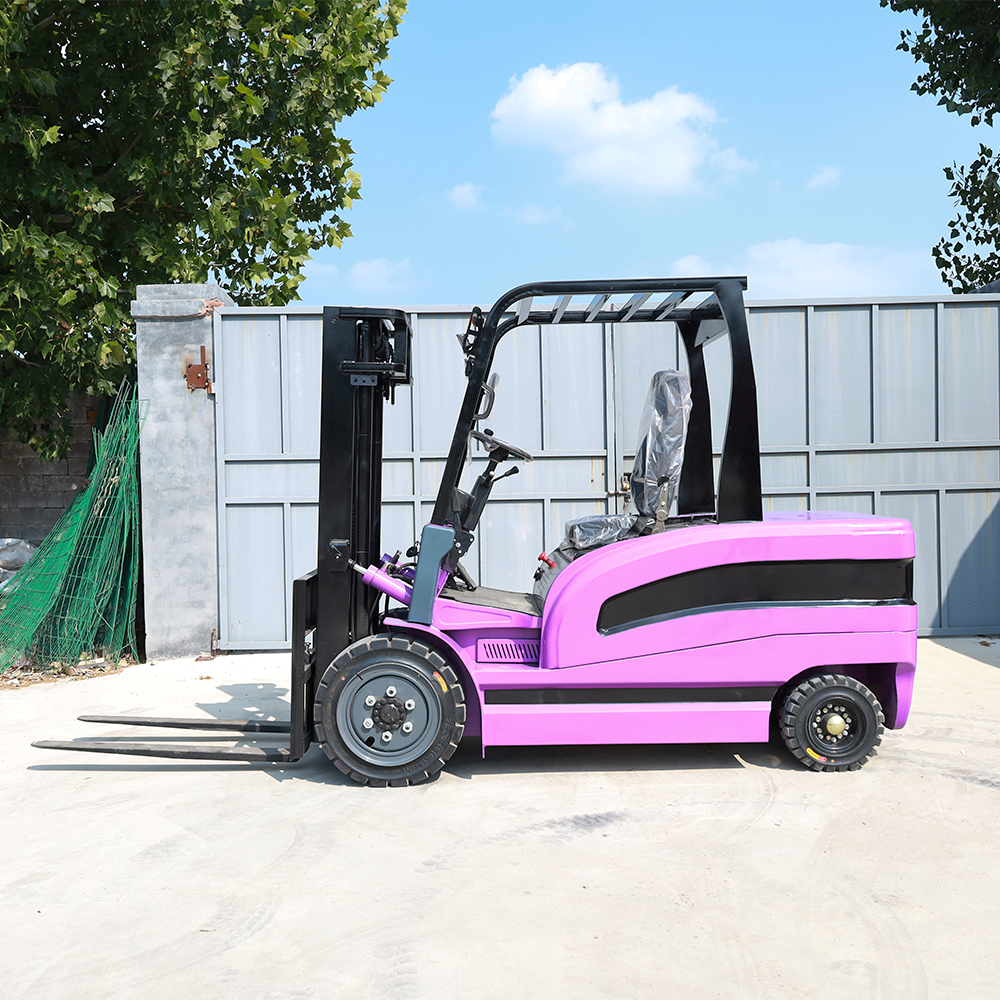
FAQ
How often should I schedule electric forklift maintenance for a 5 ton unit?
Most manufacturers recommend electric forklift maintenance every 500 to 1000 operating hours, which translates to monthly or quarterly service depending on daily usage. Heavy-use facilities that operate forklifts multiple shifts daily should establish weekly pre-shift inspection routines and schedule professional electric forklift maintenance every quarter. Lighter-use facilities may stretch intervals to semi-annual or annual service, but electric forklift maintenance should never be deferred longer than 12 months. Tracking actual operating hours through vehicle monitoring systems ensures that your electric forklift maintenance schedule aligns with real usage patterns rather than assumptions.
What are the most expensive electric forklift maintenance repairs to avoid?
The costliest electric forklift maintenance failures typically involve battery replacement, which can exceed $3000 to $5000 for a quality unit, and complete hydraulic system overhauls that require specialized labor and downtime. Frame straightening, mast rebuilding, and motor replacement represent secondary major expenses that could be avoided through earlier detection via electric forklift maintenance inspections. Minor fluid leaks and worn seals caught early cost $200 to $800 in electric forklift maintenance, while the same problems left unaddressed until complete system failure can cost ten times more in emergency repairs and operational disruption.
Can electric forklift maintenance be performed in-house or should we hire professionals?
Basic electric forklift maintenance like charging management, fluid level checks, and visual inspections can be performed by trained warehouse staff following manufacturer guidelines and documented procedures. However, specialized electric forklift maintenance tasks like hydraulic fluid replacement, brake system work, and battery diagnostics should be handled by certified technicians who understand electrical systems and warranty requirements. Many facilities use a hybrid approach where staff handle routine inspection and basic care, while professional service providers perform quarterly or annual electric forklift maintenance requiring specialized equipment and expertise.