
 EN
EN
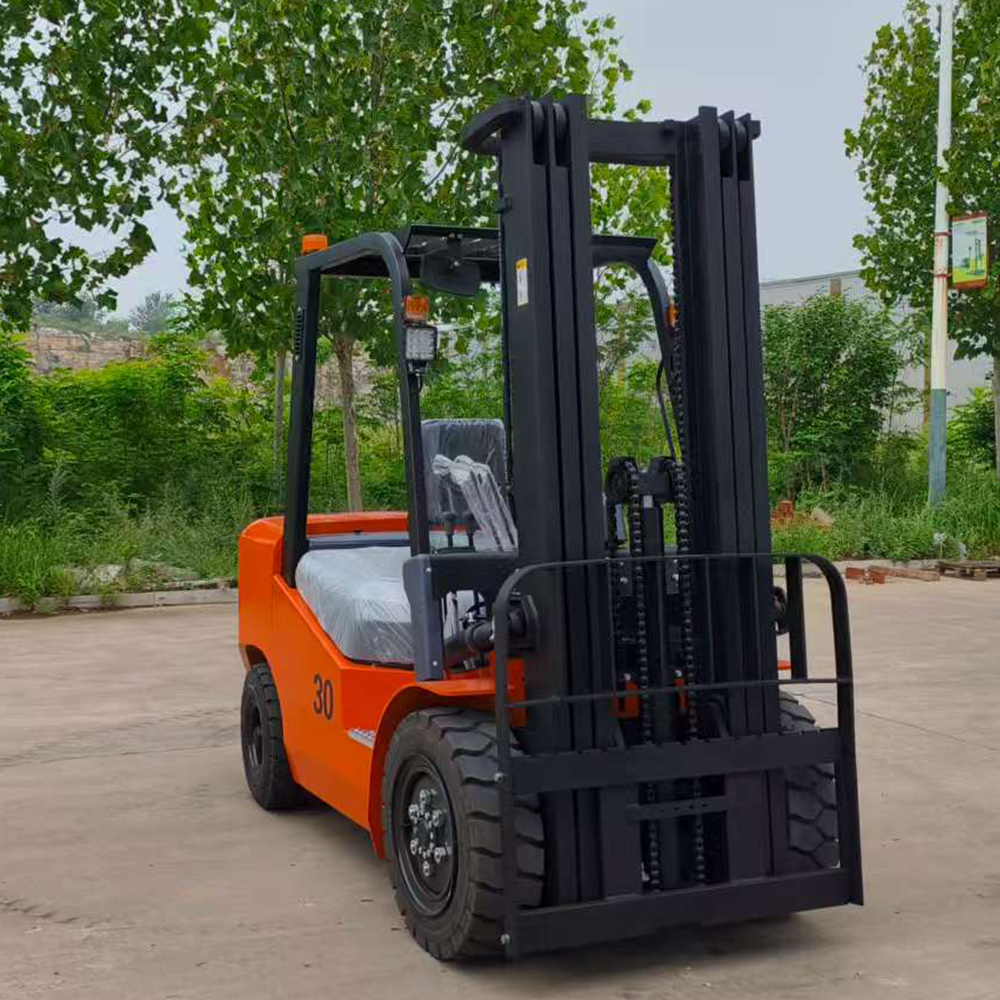
A 3 ton forklift represents one of the most commonly deployed material handling solutions in modern manufacturing plants. Understanding the exact load capacity and operational limits of a 3 ton forklift is essential for plant managers, warehouse supervisors, and logistics coordinators who depend on safe and efficient material movement. The 3 ton forklift is engineered to handle specific weight thresholds, but the actual capability extends beyond simple tonnage figures when you consider load distribution, lifting height, and environmental factors that influence real-world performance.
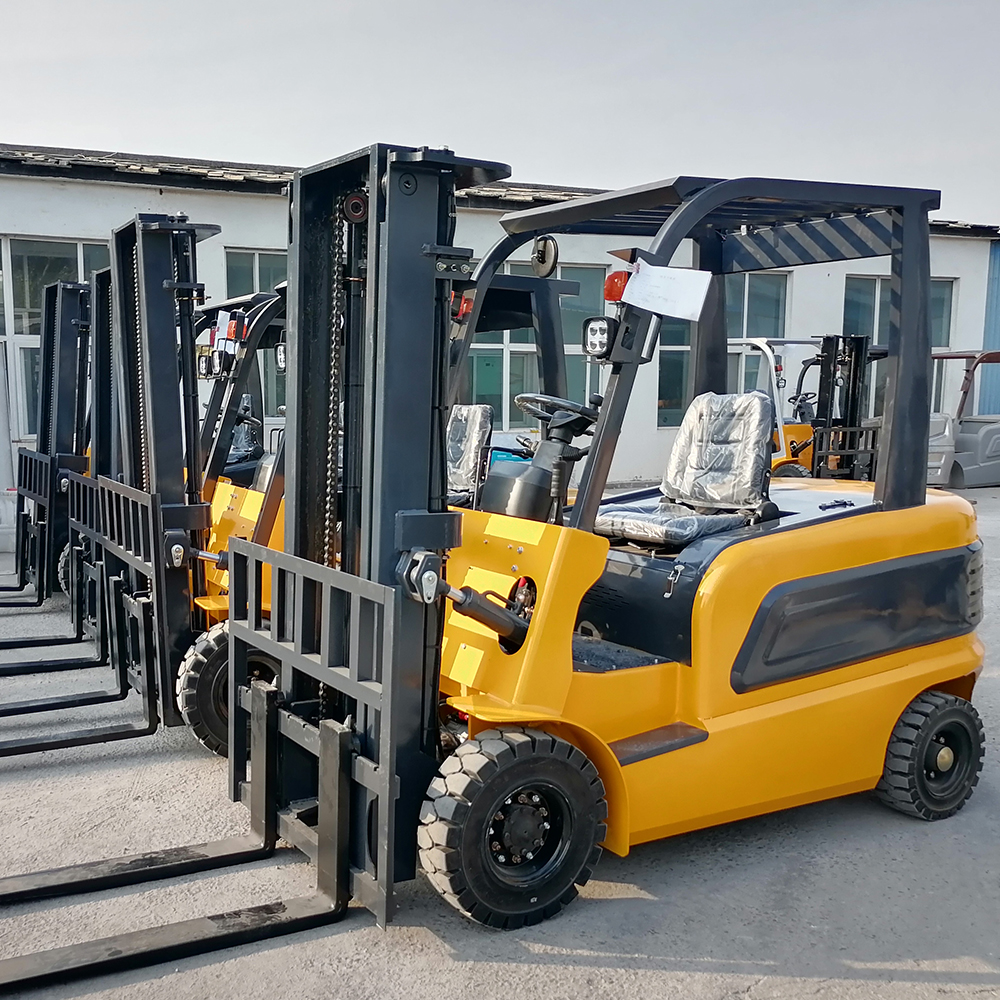
The practical utility of a 3 ton forklift in manufacturing environments depends on matching equipment specifications to your facility's actual lifting requirements. Many manufacturers discover that a 3 ton forklift delivers exceptional versatility when deployed with proper training, load planning, and operational discipline. This guide examines what heavy loads a 3 ton forklift can genuinely move, how to calculate safe loads, and how to maximize the investment in your material handling infrastructure.
Understanding 3 Ton Forklift Capacity and Load Specifications
Rated Load Capacity and Weight Distribution
The rated capacity of a 3 ton forklift typically refers to the maximum weight the machine can safely lift when that weight is distributed at a standard load center, usually 24 inches from the back of the forks. The 3 ton forklift designation means the machine can lift 3,000 kilograms or approximately 6,600 pounds under optimal conditions. However, the real-world load capacity of a 3 ton forklift changes significantly based on how the weight distributes across the forks and how high the load must travel within your manufacturing plant.
Load Center and Capacity Derating
When a load's center of gravity extends beyond the standard 24-inch load center, the effective capacity of the 3 ton forklift decreases proportionally. This phenomenon, called capacity derating, means that loads positioned further from the forks require the 3 ton forklift to operate at reduced capacity levels. Manufacturing facilities frequently encounter pallets, equipment, and materials with centers of gravity that exceed standard measurements, requiring operators to understand how a 3 ton forklift performs under these realistic conditions. Capacity plates on every 3 ton forklift provide derating tables that show how maximum safe load weight diminishes as load center distance increases.
Practical Load Types and Heavy Materials a 3 Ton Forklift Handles
Standard Pallet Loads and Manufacturing Materials
In typical manufacturing settings, a 3 ton forklift moves palletized materials including metal sheets, plastic resin bins, automotive components, textiles, and packaged goods. A fully loaded standard pallet commonly weighs between 2,000 and 3,000 pounds, placing it within the safe operating range of a 3 ton forklift. Most manufacturing plants utilize a 3 ton forklift for moving stacked pallets in single-tier arrangements or double-tier loads when the total weight remains under the rated capacity. The 3 ton forklift excels at handling common manufacturing inventory because standard pallet configurations align well with the machine's lifting envelope and capacity characteristics.
Heavy Equipment and Bulk Materials
Beyond palletized goods, a 3 ton forklift handles heavy equipment, machine components, and bulk materials encountered in manufacturing environments. Industrial manufacturers frequently use a 3 ton forklift to position stamping dies, molds, assembly fixtures, and production equipment weighing 2,500 to 3,000 pounds. Bulk materials such as metal coils, plastic pellets in large containers, and raw material drums fall within the capacity envelope that a 3 ton forklift supports. The machine's stability and reach make it suitable for these applications when proper rigging, load assessment, and operational controls remain in place.
Safety, Load Planning, and Operational Considerations
Load Assessment and Pre-Lift Verification
Every load movement with a 3 ton forklift begins with accurate weight assessment and capacity verification. Manufacturing supervisors must ensure that total load weight, including pallets, packaging, and lifting attachments, remains below the rated capacity of the 3 ton forklift. Load weight calculation requires accounting for pallet weight, material weight, and any special handling equipment attached to the forks. Operators using a 3 ton forklift should never proceed with uncertain loads; weighing systems, material data sheets, and load documentation provide the verification required for safe operation. When a 3 ton forklift approaches its maximum rating, reducing load height, checking load stability, and confirming clear pathways become critical safety measures.
Lifting Height and Stability Impact
The lifting height significantly affects how safely a 3 ton forklift performs with heavy loads. Manufacturing plants with multi-level storage systems must understand that a 3 ton forklift lifting the maximum rated load to full height experiences increased tipping risk and reduced stability compared to lower lifts. The 3 ton forklift maintains rated capacity at standard height ranges but experiences capacity limitations as masts extend higher. Operators must account for racking height, stacking arrangements, and environmental factors when determining whether a 3 ton forklift can safely handle specific loads at specific heights within your facility.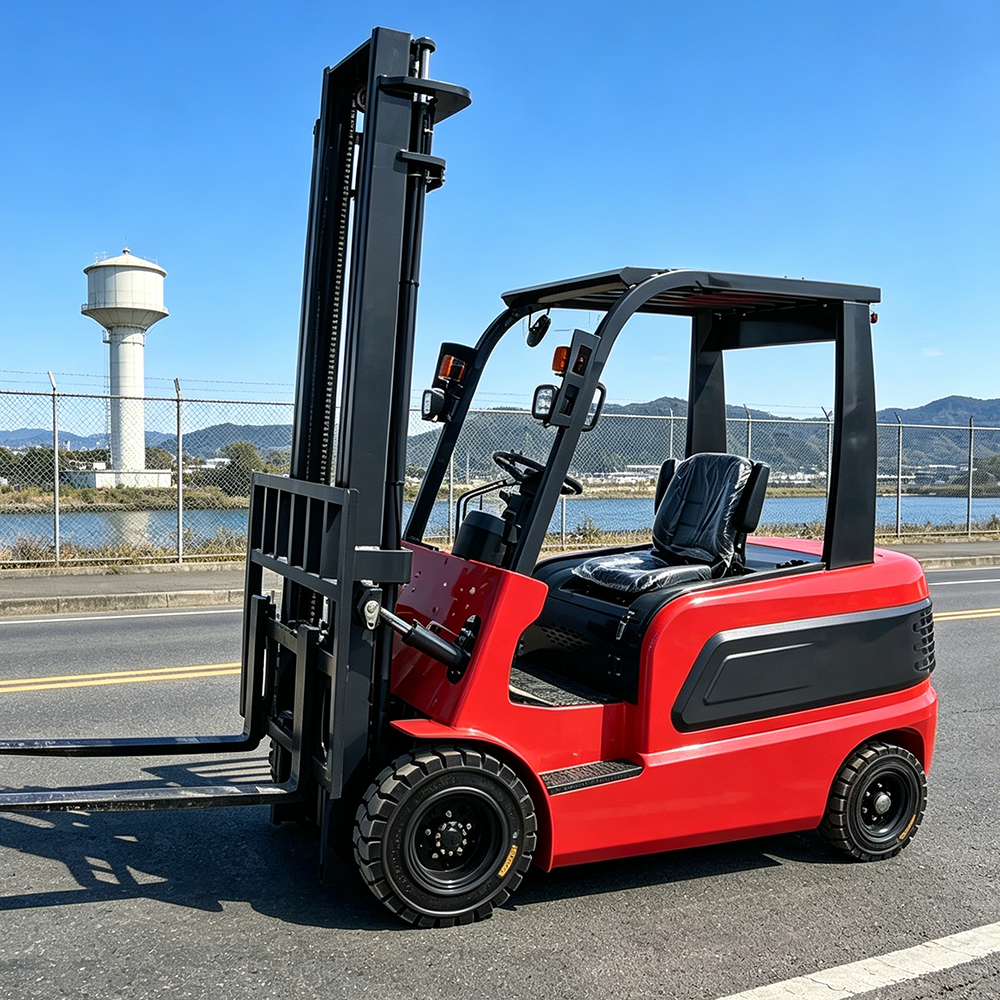
FAQ
Can a 3 ton forklift safely move loads that weigh exactly 3 tons?
A 3 ton forklift rated at 3,000 kilograms can technically move a 3-ton load, but this represents the absolute maximum capacity under ideal conditions. Practical safety protocols recommend keeping loads at or below 85 percent to 90 percent of the rated capacity of a 3 ton forklift, meaning actual operating loads should stay between 2,550 and 2,700 pounds. Load center distance, lifting height, and environmental conditions must all support a 3 ton forklift operating at maximum capacity. Always consult the machine's capacity plate and follow manufacturer guidelines when determining safe operational loads for a 3 ton forklift.
What happens when loads exceed the 3 ton forklift capacity?
Exceeding the rated capacity of a 3 ton forklift creates significant safety hazards including tipping, loss of load control, and equipment damage. When a 3 ton forklift attempts to lift loads beyond its design specifications, the machine becomes unstable, the load-sensing hydraulics may fail to respond properly, and the structural integrity of the mast and forks become compromised. Manufacturing facilities that encounter loads regularly exceeding 3 ton forklift capacity should deploy higher-capacity equipment rather than overloading a 3 ton forklift. Operating outside manufacturer specifications voids equipment warranties and creates liability for accidents.
How does load center distance affect a 3 ton forklift capacity?
Load center distance directly reduces the effective capacity of a 3 ton forklift as the distance from the forks increases. A 3 ton forklift rated at the standard 24-inch load center can lift significantly less when the load's center of gravity extends to 36, 48, or 60 inches. Most manufacturers provide capacity derating tables showing how a 3 ton forklift performance changes across various load center distances. Materials positioned far from the forks, such as long beams or offset equipment, require capacity calculations that account for this distance, potentially making a 3 ton forklift unsuitable for those specific loads.